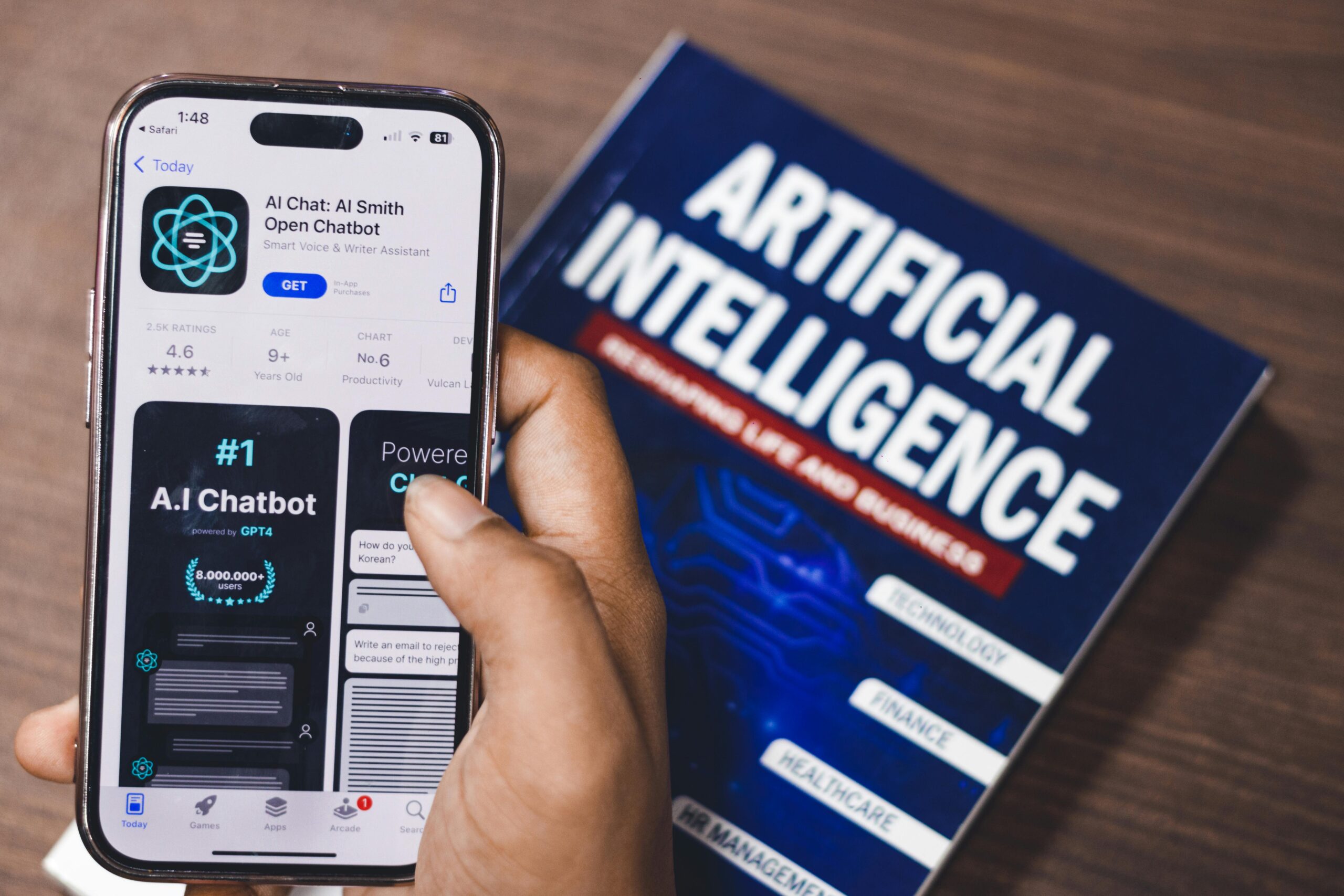
Artificial Intelligence: The Future of Smart Technology
Introduction: Understanding Artificial Intelligence
Artificial Intelligence, often called AI, is one of the most powerful and fast-growing technologies in the modern world. It is the science of creating machines or software that can think, learn, and make decisions like humans.
From smartphones to self-driving cars, AI has become part of our everyday lives. It helps businesses make smart decisions, doctors detect diseases, and individuals use digital assistants like Siri or Alexa.
AI is not just a technology; it is a revolution that is reshaping how we live, work, and interact.
What Is Artificial Intelligence?
In simple words, Artificial Intelligence refers to the ability of machines to perform tasks that normally require human intelligence. These tasks include understanding language, recognizing images, solving problems, and learning from experience.
AI systems use data and algorithms to analyze information, identify patterns, and make predictions or decisions without direct human intervention.
Some common examples of AI include:
- Voice assistants (like Google Assistant and Alexa)
- Chatbots on websites and apps
- Facial recognition systems
- Self-driving cars
- Recommendation systems on Netflix or YouTube
AI works by combining computer science, mathematics, and large amounts of data to create systems that can think and learn.
A Brief History of Artificial Intelligence
The concept of intelligent machines is not new. It dates back to ancient myths and early mechanical inventions. However, modern AI began in the 1950s, when scientists first started exploring how machines could simulate human intelligence.
- 1950: Alan Turing introduced the famous “Turing Test” to measure a machine’s ability to think like a human.
- 1956: The term “Artificial Intelligence” was officially used during a conference at Dartmouth College.
- 1980s–1990s: AI research expanded with the development of neural networks and computer learning.
- 2000s–2020s: The rise of the internet, big data, and advanced computing power made AI more practical and powerful.
Today, AI is used in almost every field, and its growth continues at a rapid pace.
Types of Artificial Intelligence
AI can be divided into three main categories based on its capability:
1. Narrow AI (Weak AI)
This is the most common type of AI used today. It is designed to perform a specific task. For example, virtual assistants, spam filters, and recommendation systems.
Narrow AI cannot perform tasks outside its programming.
2. General AI (Strong AI)
General AI refers to systems that can understand, learn, and apply knowledge like a human being. It can solve unfamiliar problems and make independent decisions. This type of AI does not yet exist but remains a major goal for scientists.
3. Superintelligent AI
This is a theoretical concept where machines surpass human intelligence. It could potentially outperform humans in every task, including creativity, reasoning, and decision-making.
While this level of AI remains only an idea, it raises ethical and safety questions about the future of technology.
How Artificial Intelligence Works
AI systems are built using several key technologies:
1. Machine Learning (ML)
Machine Learning allows computers to learn from data. Instead of being programmed with exact instructions, the system improves automatically as it processes more information.
Example: A spam filter that learns to recognize unwanted emails based on past examples.
2. Deep Learning
Deep Learning is a more advanced form of machine learning that uses neural networks — layers of algorithms that mimic the human brain. It helps AI recognize images, sounds, and patterns with high accuracy.
3. Natural Language Processing (NLP)
NLP enables computers to understand, interpret, and respond to human language. This technology powers chatbots, translation tools, and voice assistants.
4. Computer Vision
Computer Vision helps machines understand and interpret visual information from the world, such as photos and videos. It’s used in facial recognition, self-driving cars, and medical imaging.
5. Robotics
Robotics combines AI with physical machines, enabling robots to perform complex tasks like assembling cars, performing surgeries, or exploring space.
Applications of Artificial Intelligence in Daily Life
AI is now part of almost every industry and aspect of daily life. Some of the most common applications include:
1. AI in Healthcare
AI helps doctors diagnose diseases, predict patient risks, and recommend treatments.
For example, AI algorithms can analyze medical scans to detect cancer earlier than humans.
Wearable devices also track heart rates and activity levels, providing real-time health monitoring.
2. AI in Business
Companies use AI for marketing, data analysis, and customer service. Chatbots answer questions 24/7, while AI tools study consumer behavior to suggest products or improve sales.
AI-driven automation also saves time and reduces costs for businesses worldwide.
3. AI in Education
AI-powered systems personalize learning experiences for students. Adaptive learning platforms identify individual strengths and weaknesses, offering customized lessons.
It also assists teachers by grading assignments and tracking student progress efficiently.
4. AI in Transportation
Self-driving cars, traffic management systems, and smart logistics use AI to improve safety and reduce congestion.
AI helps delivery companies plan routes and predict vehicle maintenance needs.
5. AI in Entertainment
Streaming platforms like Netflix and Spotify use AI algorithms to recommend movies and songs based on user preferences.
In gaming, AI creates realistic characters and interactive environments.
6. AI in Agriculture
AI-powered drones and sensors help farmers monitor crops, predict weather, and improve harvest quality. This smart technology increases productivity and reduces waste.
7. AI in Cybersecurity
AI detects suspicious online activity, prevents fraud, and protects data from hackers.
It continuously learns from new threats to provide better defense against cyberattacks.
Advantages of Artificial Intelligence
Artificial Intelligence provides countless benefits to society and industries:
- Efficiency and Speed – AI can process large amounts of data faster than humans.
- Accuracy and Precision – In fields like healthcare and manufacturing, AI reduces human error.
- Cost Reduction – Automation saves money by performing repetitive tasks without breaks.
- 24/7 Availability – AI systems can work continuously without fatigue.
- Data Analysis – AI can analyze patterns and trends in massive datasets.
- Innovation – AI opens doors to new inventions, smart products, and better services.
Challenges and Risks of Artificial Intelligence
Despite its advantages, AI also presents challenges that must be carefully managed:
- Job Losses – Automation may replace some human jobs, especially repetitive tasks.
- Data Privacy – AI systems rely on personal data, raising concerns about security and misuse.
- Bias and Fairness – If trained on biased data, AI can make unfair or discriminatory decisions.
- Ethical Concerns – Questions about AI’s decision-making power and control remain unresolved.
- Dependence on Technology – Overreliance on AI could weaken human creativity and problem-solving skills.
Responsible development and regulation are essential to ensure AI benefits everyone fairly.
The Future of Artificial Intelligence
The future of AI looks promising and full of possibilities. Researchers are working to make AI systems more transparent, ethical, and intelligent.
Here are some trends to watch in the coming years:
- AI in Healthcare Innovation – Predictive healthcare, robotic surgery, and personalized medicine will become common.
- AI in Climate and Environment – AI will help monitor pollution, optimize energy use, and develop green technologies.
- AI in Education and Training – More schools will adopt AI-based learning systems to improve quality and accessibility.
- AI in Autonomous Vehicles – Self-driving technology will become safer and more efficient.
- AI Governance and Ethics – Governments and organizations will create new laws to manage AI responsibly.
AI will continue to grow, but its success depends on how humanity uses and controls it.
Artificial Intelligence and Human Collaboration
One of the biggest myths about AI is that it will replace humans entirely. In reality, the goal of AI is to enhance human abilities, not eliminate them.
When people and machines work together, the results can be extraordinary.
For example:
- Doctors use AI tools to detect diseases faster.
- Teachers use AI systems to track student performance.
- Engineers use AI software to design safer buildings and vehicles.
Collaboration between humans and machines creates a balance between intelligence, creativity, and efficiency.
Ethical Use of Artificial Intelligence
As AI becomes more powerful, ethical responsibility becomes more important. Developers and policymakers must ensure that AI is used fairly, safely, and transparently.
Key ethical principles include:
- Transparency: People should know when they are interacting with AI.
- Accountability: Companies must be responsible for AI’s actions and outcomes.
- Privacy: AI should protect personal data and prevent misuse.
- Fairness: Systems must be free from discrimination or bias.
Following these principles helps build trust between humans and technology.
Conclusion: The Power and Promise of Artificial Intelligence
Artificial Intelligence is not just the future — it is the present. It is changing industries, improving lives, and pushing the limits of human imagination.
From healthcare and education to business and transportation, AI is everywhere. It helps us make smarter decisions, save time, and explore new possibilities.
However, with great power comes great responsibility. We must use AI wisely, ensuring that it serves humanity rather than replacing it.
As we move into the next decade, the goal should be clear:
To build a world where Artificial Intelligence and human intelligence work together to create a better, fairer, and more innovative future.



Post Comment