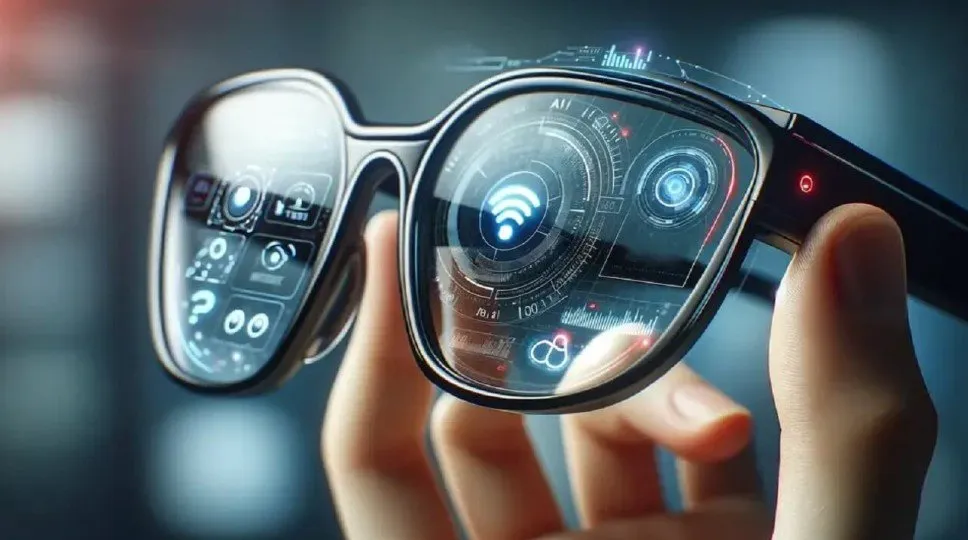
Smart Glasses: The Future of Wearable Technology
Introduction
Technology is changing the way we see and interact with the world — quite literally. One of the most exciting innovations in wearable tech today is smart glasses.
Smart glasses combine the look and feel of regular eyewear with the power of digital technology. They can display information, take pictures, play music, and even connect to the internet — all while sitting comfortably on your face.
From helping doctors perform surgeries to guiding factory workers or making video calls hands-free, smart glasses are transforming daily life and work.
In this article, we’ll explore what smart glasses are, how they work, their main features, uses, benefits, challenges, and what the future holds for this amazing technology.
What Are Smart Glasses?
Smart glasses are wearable devices that look like normal eyeglasses but include advanced technology such as:
- Displays
- Cameras
- Microphones
- Speakers
- Sensors
- Internet connectivity
These glasses can project digital information right in front of your eyes or onto the lens — like a small computer screen that you can see without using your hands.
Think of it as your smartphone, GPS, and computer combined into your eyewear.
How Do Smart Glasses Work?
Smart glasses use a mix of hardware, sensors, and software to function. Here’s how they typically work:
- Display System:
Information is projected onto the lens or into your field of vision using miniature projectors or transparent displays. - Sensors and Cameras:
They capture your environment — for example, identifying objects, tracking movement, or recording videos. - Connectivity:
Smart glasses often connect to your phone or Wi-Fi to access apps, GPS, or the internet. - Voice and Gesture Control:
You can control them using your voice, touchpads on the frames, or even head movements. - Battery and Processing:
Small batteries and processors power the device and run the software smoothly.
Together, these technologies make it possible to interact with digital content while staying aware of your surroundings — a concept called augmented reality (AR).
Key Features of Smart Glasses
Modern smart glasses come with impressive features that make them useful for both personal and professional use.
1. Augmented Reality (AR) Display
Shows digital information, maps, notifications, or 3D visuals directly in front of your eyes.
2. Voice Assistance
Built-in voice assistants like Google Assistant or Alexa let you perform tasks hands-free — send messages, check the weather, or make calls.
3. Camera and Video Recording
Capture photos or record videos from your point of view. Some even offer live streaming.
4. Audio and Music
Include bone conduction speakers or tiny earbuds for listening to music, calls, or notifications without blocking outside noise.
5. Fitness and Health Tracking
Some models monitor physical activity, heart rate, or even posture.
6. GPS and Navigation
Provides real-time directions displayed directly on your lens — perfect for cycling, driving, or walking.
7. Connectivity
Bluetooth and Wi-Fi connectivity allow syncing with smartphones or other devices for app access and updates.
8. Gesture or Touch Control
Control your glasses using a swipe or tap on the frame, or by moving your head or hands.
Types of Smart Glasses
Not all smart glasses are the same. Here are the main categories based on functionality and target users.
1. Augmented Reality (AR) Smart Glasses
These overlay digital images or information onto the real world.
Example: Microsoft HoloLens, Magic Leap, Google Glass Enterprise Edition.
2. Audio Smart Glasses
These focus on sound features, like listening to music or calls through bone conduction speakers.
Example: Bose Frames, Ray-Ban Meta (Ray-Ban Stories).
3. Mixed Reality Smart Glasses
These combine AR and VR (Virtual Reality), allowing users to interact with both physical and digital environments.
Example: Nreal Air, Vuzix Blade.
4. Enterprise Smart Glasses
Used in industries like healthcare, logistics, or manufacturing for training, remote assistance, or quality checks.
Example: RealWear Navigator, Epson Moverio.
Top Smart Glasses Brands and Models
Some of the most popular smart glasses currently on the market include:
| Brand/Model | Main Features |
|---|---|
| Ray-Ban Meta (formerly Ray-Ban Stories) | Camera, audio, voice control, stylish design |
| Google Glass Enterprise Edition 2 | AR display, camera, real-time assistance |
| Microsoft HoloLens 2 | Advanced AR, gesture control, enterprise-grade performance |
| Vuzix Blade 2 | See-through display, voice commands, camera |
| Bose Frames Tempo | Premium audio, sports design, Bluetooth connectivity |
| Nreal Air | Lightweight AR experience, connects to phones and consoles |
Applications of Smart Glasses
Smart glasses have countless uses across industries and daily life. Here are some of the most common ones:
1. Healthcare
Doctors use smart glasses for:
- Real-time patient data during surgery
- Remote consultations
- Medical training with live visuals
2. Education and Training
Teachers and trainers use smart glasses for interactive lessons and immersive learning.
3. Manufacturing and Engineering
Technicians can see repair instructions or machine data directly in their view while keeping both hands free.
4. Logistics and Warehousing
Workers can use smart glasses for barcode scanning, route optimization, and inventory management.
5. Field Services
Engineers or repair workers can access manuals or connect with experts remotely while on-site.
6. Retail and E-commerce
Sales staff can check product information, prices, or customer data instantly.
7. Sports and Fitness
Athletes can track performance, speed, or heart rate in real time during training.
8. Everyday Personal Use
- Hands-free photo and video capture
- Listening to music and podcasts
- Navigation while driving or walking
- Notifications and calls on the go
Smart glasses are slowly blending into our daily lives — making tasks easier, faster, and smarter.
Benefits of Smart Glasses
1. Hands-Free Operation
You can perform tasks without holding a phone or tablet.
2. Enhanced Productivity
Workers and professionals can multitask and access real-time information easily.
3. Improved Learning
AR features make learning more interactive and visual.
4. Real-Time Communication
Live streaming and video calling allow faster collaboration.
5. Health and Safety
Reduces distractions while driving or working, and offers useful health monitoring tools.
6. Accessibility
Helps people with disabilities (like visual or hearing impairments) navigate better using voice and visual aids.
Challenges of Smart Glasses
Despite their advantages, smart glasses still face some challenges that limit their adoption.
1. High Cost
Advanced AR smart glasses can be expensive, limiting use to businesses and professionals.
2. Privacy Concerns
Built-in cameras raise privacy issues, as people may not know when they are being recorded.
3. Battery Life
Small batteries mean limited usage time before needing a recharge.
4. Limited App Support
Not all popular apps are available or optimized for smart glasses yet.
5. Design and Comfort
Some models are bulkier than regular glasses, affecting comfort and style.
6. Social Acceptance
Many people still feel uncomfortable wearing tech glasses in public due to their futuristic look.
How Businesses Can Benefit from Smart Glasses
Companies across different sectors are starting to see the potential of smart glasses. Here’s how businesses can use them effectively:
- Remote Support: Technicians can get real-time help from experts anywhere.
- Employee Training: AR simulations reduce training costs and time.
- Field Work: Workers can access maps, documents, and checklists hands-free.
- Sales & Marketing: Visual product demos improve customer experience.
- Data Visualization: Managers can see live data overlays during operations.
Adopting smart glasses can increase productivity, reduce errors, and improve communication — making them a valuable business investment.
The Future of Smart Glasses
The future of smart glasses is incredibly exciting. With major tech companies like Apple, Google, Meta, and Samsung investing heavily in AR, we can expect rapid advancements in the coming years.
Upcoming Trends:
- AI Integration – Smarter assistance with real-time object and speech recognition.
- Better Battery Life – Longer use through efficient power management.
- Slimmer Designs – Glasses that look just like normal eyewear.
- 5G Connectivity – Faster data and cloud access for seamless performance.
- Healthcare Innovation – Remote diagnostics and patient monitoring.
- AR Shopping Experiences – Try-on features and product previews in real-time.
Soon, smart glasses could become as common as smartphones — blending digital and real worlds effortlessly.
Conclusion
Smart glasses represent the next big step in wearable technology. They make information accessible, communication easier, and tasks more efficient — all while keeping your hands free.
From healthcare and education to entertainment and business, their potential is limitless. Although there are still challenges like price, privacy, and design, the future looks bright as technology continues to improve.
Smart glasses are more than just a gadget — they’re a glimpse into a world where technology truly becomes part of us.



Post Comment