Drone Camera Phone: The Future of Mobile Photography
Introduction
Imagine taking a perfect selfie or cinematic video — not by holding your phone, but by letting it fly into the air and capture the moment from above.
That’s what a drone camera phone does.
A drone camera phone is one of the newest and most exciting innovations in mobile technology. It combines the features of a smartphone and a mini drone, allowing users to take aerial photos and videos directly from their phone — no separate drone needed.
In this article, we’ll explore what a drone camera phone is, how it works, its key features, benefits, uses, top models, and how it may change the future of photography and communication.
What Is a Drone Camera Phone?
A drone camera phone is a smartphone with a built-in flying camera.
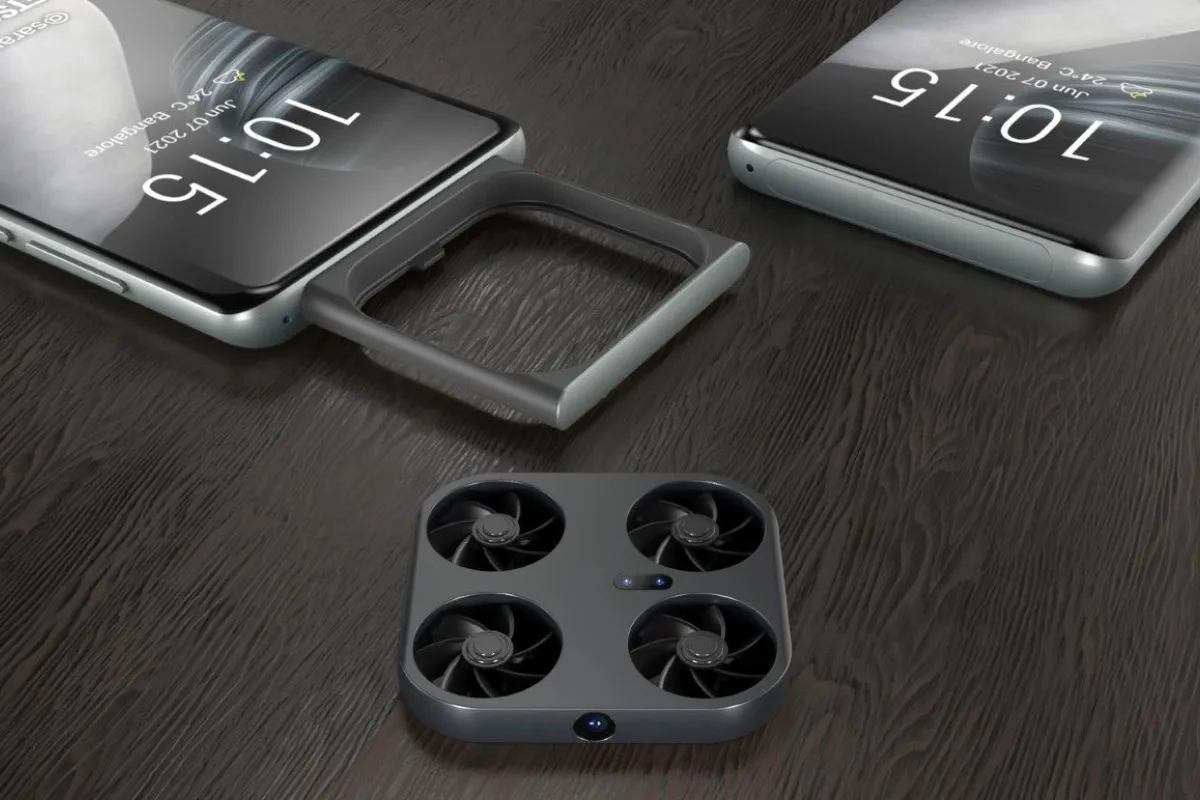
Unlike traditional phones that have fixed cameras on the back or front, a drone camera phone has a detachable mini drone or extendable camera module that can fly a short distance from the phone to take aerial or wide-angle shots.
In simple words:
👉 It’s both a phone and a drone camera — in one device.
This means users can take hands-free selfies, group photos, or panoramic videos from creative angles that normal phones can’t capture.
How Does a Drone Camera Phone Work?
The technology behind drone camera phones is based on the same principles as small drones.
Here’s how it generally works:
- Detachable Drone Module:
The phone contains a small, lightweight drone camera that can detach or slide out. - Wireless Control:
The drone connects wirelessly (through Wi-Fi or Bluetooth) to the phone.
You can control it using a mobile app or built-in interface. - Flight Control:
The drone uses propellers, sensors, and gyroscopes to stabilize itself in the air. - Camera Functions:
The camera can capture photos, record videos, or even stream live footage to the phone. - Return to Base:
After capturing images, the drone automatically flies back to the phone or lands safely. - Charging and Storage:
Once attached, the drone recharges directly from the phone’s battery and transfers the media files.
Key Features of Drone Camera Phones
Even though drone camera phones are still a new technology, some models and concepts already offer amazing features:
1. Aerial Photography
You can take photos and videos from the air — perfect for landscapes, events, or creative shots.
2. Gesture Control
Some models use hand gestures or voice commands to control the drone — no controller needed.
3. Smart Tracking
The drone can follow you automatically while walking, running, or cycling to record videos hands-free.
4. 360° Camera Rotation
Cameras can rotate or tilt in multiple directions for panoramic or cinematic shots.
5. HD / 4K Resolution
High-quality video recording and photo capture rivaling dedicated drone cameras.
6. Obstacle Avoidance
Built-in sensors help prevent collisions during flight.
7. Compact and Lightweight
Designed to fit inside or attach to the phone, these drones are small, foldable, and portable.
8. Long Battery Life
Some phones have dual batteries — one for the phone and one for the drone — to increase usage time.
Benefits of a Drone Camera Phone
Here are the main advantages that make drone camera phones stand out:
- Hands-Free Photography:
Capture moments without holding the phone — ideal for selfies, vlogs, and travel shots. - Unique Camera Angles:
Take creative aerial photos that normal cameras can’t achieve. - Portable and Convenient:
No need to carry a separate drone — it’s built into your smartphone. - Easy to Use:
Controlled directly through the phone with simple commands. - Social Media Ready:
Instantly share videos or photos on apps like Instagram, TikTok, or YouTube. - Compact for Travel:
Perfect for travelers, vloggers, and photographers who want light gear. - AI Integration:
Many models use AI stabilization and auto-editing for professional-looking results. - Entertainment and Fun:
Great for events, parties, outdoor adventures, and creative content creation.
Applications of Drone Camera Phones
Drone camera phones can be useful in many areas, from personal use to professional industries.
1. Travel and Adventure
Capture breathtaking mountain views, beaches, or cityscapes without carrying a heavy drone.
2. Vlogging and Content Creation
Perfect for YouTubers, influencers, and vloggers who want unique camera angles and automatic tracking.
3. Events and Celebrations
Record weddings, birthdays, and family gatherings from above — all with your phone.
4. Real Estate and Architecture
Take quick aerial shots of buildings or properties without hiring a drone operator.
5. Security and Surveillance
Use the drone to inspect surroundings or monitor areas from a higher point.
6. Sports and Fitness
Track movements during outdoor activities like hiking, cycling, or running.
7. Education and Research
Great tool for teachers, students, and researchers studying aerial views or robotics.
Top Drone Camera Phone Concepts and Models
While drone camera phones are still developing, several companies have revealed prototypes and concept phones that hint at the future.
1. Vivo Drone Camera Phone (Concept)
- Introduced at tech expos and social media leaks.
- Features a detachable flying camera module with 200MP capability.
- Uses AI image stabilization and 4 propellers for stable flight.
- Can capture 360° photos and return automatically to the phone.
2. Samsung Drone Camera Concept
- Rumored patent for a pop-out flying camera built into Galaxy models.
- Designed to follow the user while shooting videos or taking selfies.
- Could integrate with Samsung’s One UI camera app for seamless use.
3. Xiaomi’s Selfie Drone Phone
- Concept inspired by Mi Drone Mini and Xiaomi’s advanced imaging tech.
- Potential to feature gesture control, HD recording, and AI tracking.
4. AirSelfie Drone (Attachable Model)
- A portable mini drone that can connect to smartphones via Wi-Fi.
- Controlled through an app for aerial selfies and short videos.
- Though not built into the phone, it works as a practical alternative.
5. Apple Patent Concepts
- Apple has filed several patents related to autonomous camera drones that could one day integrate with iPhones.
How Drone Camera Phones Could Change Photography
Drone camera phones are not just about convenience — they could redefine mobile photography in several ways:
- New Creative Perspectives – Capture shots from angles humans can’t reach.
- Simplified Filmmaking – Create short films and vlogs with dynamic aerial shots.
- Social Media Evolution – New types of video trends and content styles.
- Increased Accessibility – Makes drone photography affordable and easy for everyone.
- Innovation in Design – Pushes smartphone makers to integrate more advanced robotics and AI.
Challenges and Limitations
As exciting as this technology sounds, it also comes with challenges:
1. Battery Life
Flying drones require power, and adding one to a phone may drain the battery faster.
2. Durability
A small drone could be fragile or get damaged in bad weather or collisions.
3. Privacy and Safety
Drones must follow airspace rules and respect people’s privacy.
4. Cost
Advanced drone camera phones could be expensive due to new technology.
5. Limited Flight Range
Most built-in drones will only fly short distances (around 10–30 meters).
6. Regulations
Some countries have strict drone laws, which could affect how these phones are used.
The Future of Drone Camera Phones
The future of drone camera phones is full of potential and innovation.
Here are some upcoming trends we can expect:
- AI-Powered Flight Control – More intelligent obstacle detection and automatic flight paths.
- 5G and Cloud Connectivity – Real-time live streaming and instant uploads.
- Longer Flight Time – Better batteries and energy-efficient motors.
- Foldable and Modular Designs – Compact phones that easily store flying cameras.
- Professional Camera Quality – 8K video and advanced stabilization for cinematic results.
- Integration with AR/VR – Use aerial footage in augmented and virtual reality environments.
- Eco-Friendly Materials – Sustainable and lightweight components.
In the next few years, drone camera phones could become as common as smartphones are today — merging communication, creativity, and technology into one smart device.
Tips for Using a Drone Camera Phone
If you ever use or plan to buy a drone camera phone, here are a few simple tips:
- Check Local Laws – Make sure you can legally fly drones in your area.
- Avoid Crowded Areas – Fly safely and respect privacy.
- Keep an Eye on Battery Levels – Both the drone and the phone.
- Use Good Lighting – Natural light gives the best results.
- Try Different Angles – Experiment with top-down shots, side views, and motion shots.
- Clean the Camera Lens – To maintain image quality.
- Store Carefully – Protect the drone camera when not in use.
Environmental and Social Impact
Drone camera phones could also have environmental and social benefits:
- Reduce e-waste: One device instead of two (phone + drone).
- Promote creativity: Encourage youth to explore tech and photography.
- Improve accessibility: Easier and cheaper than buying a full drone kit.
However, users should still be aware of privacy issues, wildlife safety, and responsible flying practices.
Conclusion
A drone camera phone is not just a gadget — it’s the next big step in mobile photography and innovation.
It combines the power of a smartphone with the freedom of a drone, giving users a whole new way to capture moments, explore creativity, and tell stories.
As technology improves, we can expect lighter designs, better cameras, and smarter AI controls, making it easier than ever to record life from incredible new angles.
The future of photography is taking off — quite literally — with the rise of drone camera phones.



Post Comment