

Introduction
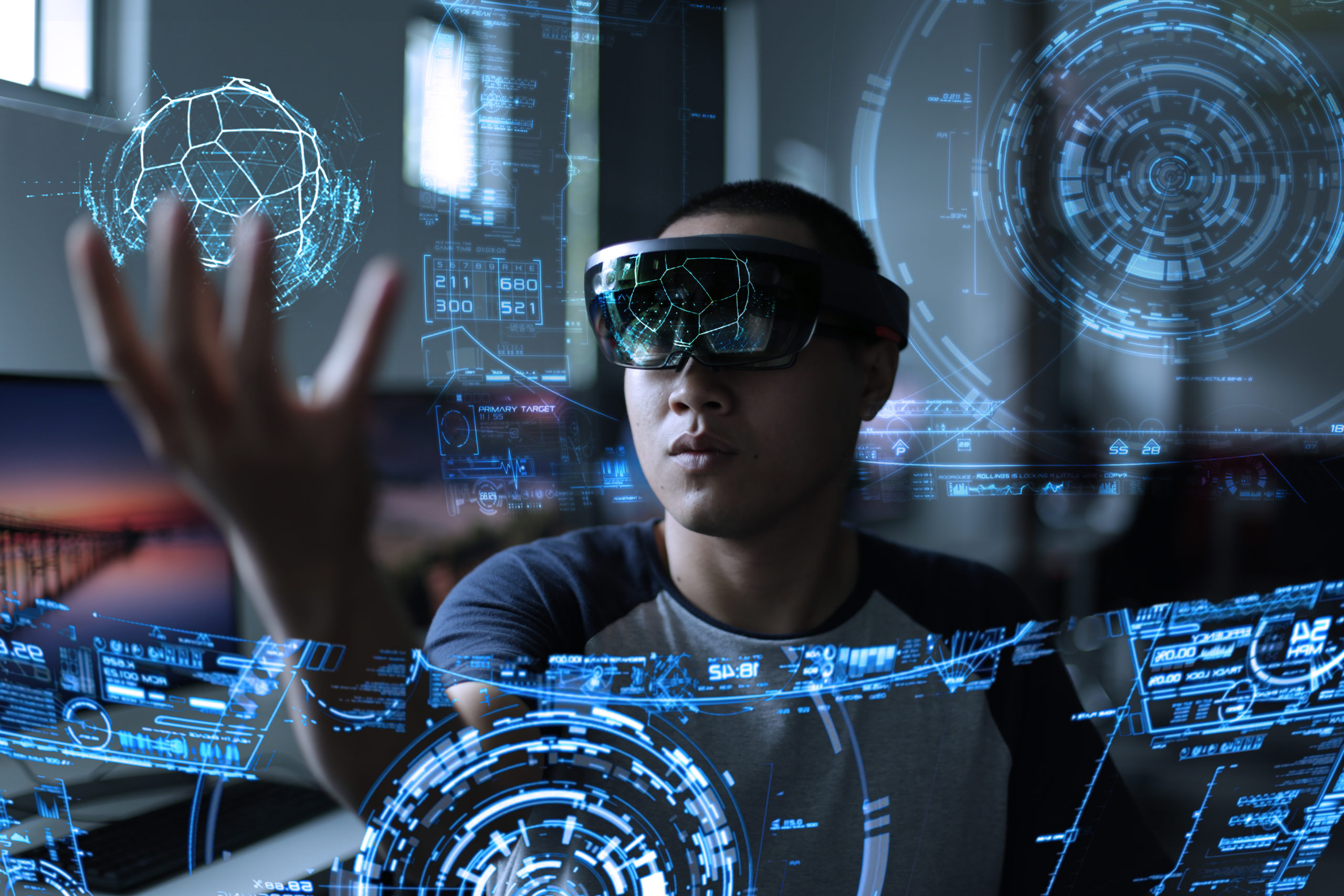
Imagine wearing glasses that show you directions on the street, translate signs instantly, or let you play 3D games right in front of your eyes — all in real time.
That’s the magic of Augmented Reality (AR) glasses.
Augmented Reality (AR) overlays digital information — like text, images, and animations — onto the real world. AR glasses make this experience even more immersive by bringing that technology directly into what you see.
These futuristic glasses are not just for gamers or tech lovers — they are becoming powerful tools for education, healthcare, business, navigation, and daily life.
In this article, we’ll explain what AR glasses are, how they work, their key features, applications, benefits, challenges, and what the future holds for this exciting technology.
What Are Augmented Reality Glasses?
Augmented Reality glasses are wearable devices that look like normal eyeglasses but come equipped with smart sensors, cameras, and digital displays.
They blend virtual information with the real world, allowing users to see both at the same time.
In simple words:
👉 AR glasses add digital objects and data to your real environment through the lenses.
Example:
When wearing AR glasses, you might see:
- A map floating in front of you.
- Product details while shopping.
- Real-time captions during conversations.
- A holographic display during a video call.
How Do AR Glasses Work?
AR glasses use a combination of hardware and software to create an interactive visual experience.
1. Sensors and Cameras
AR glasses have cameras and sensors to detect the user’s surroundings, movement, and position.
They gather data about what you see and how you move.
2. Display
Digital images or information are projected onto transparent lenses so that they appear as part of the real world.
3. Processor
Like a smartphone or computer, AR glasses have small processors that handle the display, motion tracking, and data processing.
4. Connectivity
They connect to the internet or your smartphone using Wi-Fi, Bluetooth, or 5G, allowing access to apps, cloud data, and online features.
5. Software / AR Engine
AR software uses computer vision and AI to track objects, recognize faces, and place virtual elements accurately in real space.
Key Features of Augmented Reality Glasses
Modern AR glasses come packed with advanced features designed to enhance daily life and productivity.
- Transparent Display: View real and digital worlds together.
- Voice Control: Operate through voice commands (like Alexa or Google Assistant).
- Gesture Recognition: Use hand or eye movements to interact with digital elements.
- Navigation and Mapping: Real-time directions and information overlays on roads.
- Facial and Object Recognition: Identify people, objects, and places instantly.
- Smart Notifications: View messages, calls, and alerts without using your phone.
- 3D Visualization: See holograms or 3D models in front of you.
- Lightweight Design: Looks and feels like normal glasses for everyday use.
- High-Resolution Cameras: Capture images, record videos, and support AR interaction.
- Battery Efficiency: Designed to run for hours on a single charge.
Types of Augmented Reality Glasses
There are several types of AR glasses depending on their use and technology:
| Type | Description | Example Uses |
|---|---|---|
| Consumer AR Glasses | Lightweight glasses for daily use | Navigation, gaming, social media |
| Enterprise AR Glasses | Used in industries for work assistance | Manufacturing, logistics, construction |
| Mixed Reality Glasses | Blend AR and VR experiences | Education, training, simulations |
| AR Smart Glasses for Healthcare | Help doctors visualize surgeries or patient data | Medical training, remote operations |
Examples of Popular AR Glasses
Several companies have already developed or announced impressive AR glasses. Here are some leading examples:
1. Microsoft HoloLens 2
- Mixed reality headset for professionals.
- Used in engineering, healthcare, and education.
- Offers hand tracking, voice control, and holographic displays.
2. Google Glass Enterprise Edition 2
- Lightweight and practical for workplaces.
- Displays instructions and data for workers in manufacturing and logistics.
3. Meta (Facebook) AR Glasses
- Under development as part of Meta’s Metaverse vision.
- Aims to bring social media, gaming, and communication into augmented reality.
4. Apple Vision Pro (AR/VR Headset)
- Combines augmented and virtual reality.
- Offers eye tracking, spatial video, and immersive apps.
5. Vuzix Blade / Vuzix Shield
- Compact AR glasses for business and daily use.
- Projects digital overlays like messages, directions, and translations.
6. Nreal Air / Xreal Glasses
- Stylish consumer AR glasses that connect to smartphones.
- Used for watching videos, playing games, and productivity.
Applications of Augmented Reality Glasses
AR glasses are being used across multiple industries and are changing the way people work, learn, and live.
1. Healthcare
Doctors and nurses use AR glasses for:
- Surgical assistance with real-time data overlays.
- Remote consultations and patient monitoring.
- Medical training using 3D visualizations of the human body.
Example:
A surgeon can see a patient’s vital stats during surgery without looking away from the operation.
2. Education
AR glasses make learning more interactive and visual.
Students can explore 3D models of planets, historical sites, or human anatomy.
Benefits:
- Improves understanding and engagement.
- Makes remote learning immersive and fun.
3. Manufacturing and Engineering
Technicians can wear AR glasses to:
- View step-by-step assembly instructions.
- Check real-time performance data.
- Connect with remote experts for guidance.
Example:
An engineer can fix a machine while viewing live instructions projected in front of their eyes.
4. Retail and Shopping
AR glasses can display product details, prices, or reviews as you browse in a store.
They can even let you virtually try on clothes or furniture before buying.
Example:
You can see how a sofa looks in your living room before ordering it online.
5. Navigation and Tourism
When exploring new cities, AR glasses show:
- Real-time directions, nearby attractions, and restaurant ratings.
- Instant translations of foreign languages.
Example:
Looking at a historical monument could trigger a short AR video explaining its history.
6. Gaming and Entertainment
AR gaming turns the real world into your playground.
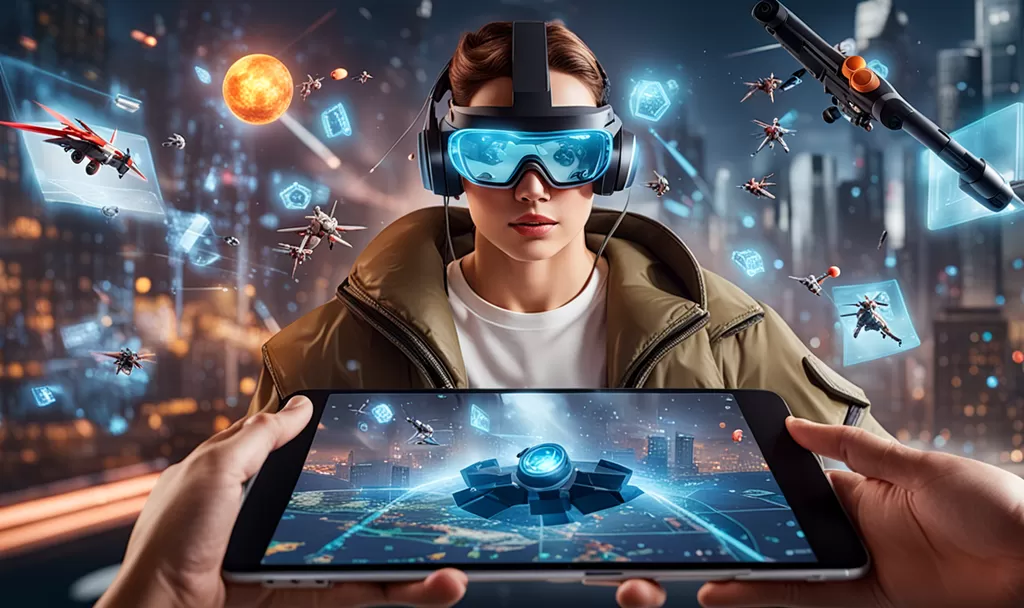
You can fight virtual monsters in your room or play sports simulations outdoors.
Example:
Games like Pokémon Go show how AR can blend fun and reality — AR glasses take it even further.
7. Business and Collaboration
AR glasses make remote meetings more interactive with 3D avatars or virtual workspaces.
Teams can visualize models or designs together in real time.
Example:
Architects can present 3D building designs directly in the client’s environment.
Benefits of Augmented Reality Glasses
- Hands-Free Experience – Access information without holding a phone or device.
- Improved Productivity – Real-time instructions and data save time at work.
- Enhanced Learning – Visual and interactive education improves understanding.
- Better Communication – Virtual meetings and translations make interactions easier.
- Entertainment and Creativity – Create, play, and share in new immersive ways.
- Accessibility – Help people with disabilities through visual or audio assistance.
- Navigation Support – Real-time guidance while walking or driving.
- Remote Collaboration – Work together from anywhere using shared AR visuals.
Challenges and Limitations
While AR glasses are promising, they also face some challenges before becoming mainstream:
- High Cost – Advanced AR glasses can be expensive for consumers.
- Battery Life – Power-hungry processors limit how long they can be used.
- Privacy Issues – Cameras in glasses may raise security and privacy concerns.
- Design and Comfort – Must balance advanced features with lightweight design.
- Limited Apps – Developers are still building useful AR experiences.
- Connectivity Needs – Require strong and stable internet for real-time performance.
- User Adaptation – Some people may find it strange or uncomfortable to wear digital glasses daily.
The Future of Augmented Reality Glasses
The future of AR glasses is exciting and full of innovation.
Here are some trends shaping their evolution:
- Smarter and Smaller Designs – Sleeker, lighter, and more fashionable glasses.
- Integration with AI – AI will make AR glasses smarter, predicting needs and offering suggestions.
- 5G Connectivity – Faster data transfer for seamless real-time overlays.
- Holographic Communication – Live 3D holograms for meetings and calls.
- AR in Everyday Life – From fitness to cooking, AR glasses will assist in daily tasks.
- Metaverse Connection – AR will bridge the real world and digital metaverse environments.
- Affordable Consumer Versions – Lower prices will make AR glasses available to everyone.
Experts believe that within a few years, AR glasses could replace smartphones as our main digital companion — giving us instant access to information in a natural, hands-free way.
Security and Privacy Considerations
Because AR glasses can record surroundings, privacy protection is critical.
To stay safe:
- Always inform others when recording.
- Use strong passwords and security settings.
- Keep software up to date.
- Buy from trusted brands with clear privacy policies.
Companies are working on better data encryption and face-blurring features to protect users and the public.
Environmental and Social Impact
AR glasses could reduce the need for screens and devices, lowering e-waste.
They also make education, training, and remote work more inclusive and efficient.
However, the production of AR devices must prioritize sustainable materials and ethical manufacturing to minimize environmental impact.
Conclusion
Augmented Reality glasses represent a major leap in how we see and interact with the world.
They merge the physical and digital worlds seamlessly — helping us work smarter, learn faster, and live more efficiently.
From healthcare and education to entertainment and navigation, AR glasses are transforming every part of life and business.
As technology evolves, AR glasses will become smaller, more affordable, and more intelligent, bringing us closer to a future where the line between reality and digital information disappears.
The world ahead is not just smart — it’s augmented.




Leave a Reply