

Introduction: The Role of Information Technology in the Modern Era
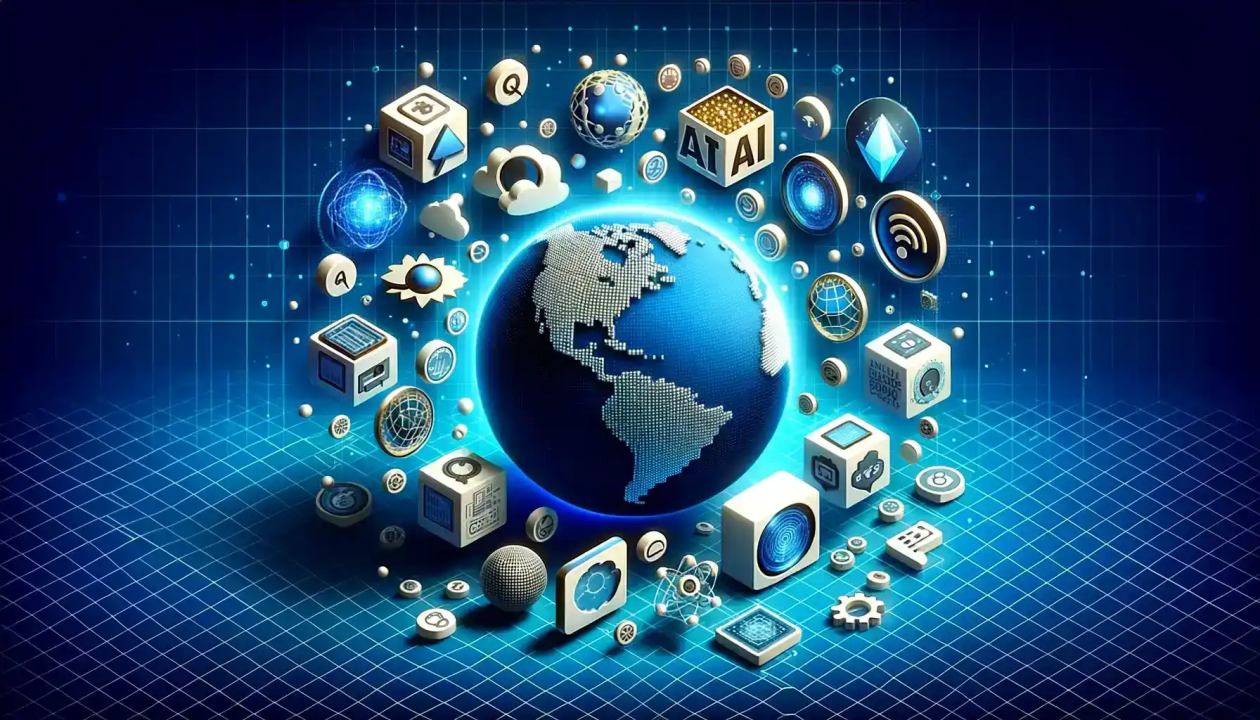
Information Technology, often called IT, is the foundation of today’s digital world. It covers everything from computers and networks to software and data systems that help people and organizations manage information effectively.
In the past, communication and data sharing were slow and limited. Today, IT connects billions of devices and people worldwide. From smartphones and laptops to cloud services and cybersecurity systems, information technology powers every part of our lives — at home, school, and work.
Whether you are watching a movie online, shopping on the internet, or managing a business remotely, IT is behind it all.
What Is Information Technology?
In simple words, Information Technology is the use of computers, networks, and digital systems to store, process, and share information.
It involves hardware (physical devices), software (applications and programs), and infrastructure (networks and servers) that work together to make data management fast, secure, and efficient.
The main goal of IT is to help people and businesses access, use, and protect information easily.
Examples of IT in everyday life include:
- Sending emails and messages
- Using social media platforms
- Online banking and digital payments
- Cloud storage (Google Drive, Dropbox)
- Virtual learning platforms
- Smart home systems
The Importance of Information Technology
Information Technology has become a key part of modern civilization. Every industry — from healthcare and education to agriculture and entertainment — depends on IT systems to operate smoothly.
Here are some of the main reasons why IT is important:
- Improved Communication: IT makes communication faster and easier through emails, video calls, and instant messaging.
- Business Growth: Companies use IT to manage data, reach customers, and automate processes.
- Education Access: Students can learn from anywhere using online tools and e-learning platforms.
- Healthcare Support: Hospitals use IT for patient records, telemedicine, and medical research.
- Global Connectivity: IT connects people across countries, promoting trade, collaboration, and cultural exchange.
Without IT, the modern world would not be as connected, efficient, or innovative as it is today.
Major Components of Information Technology
Information Technology is made up of several essential components that work together:
1. Hardware
Hardware includes the physical parts of a computer system, such as desktops, laptops, servers, routers, printers, and storage devices.
2. Software
Software refers to the programs and operating systems that control hardware and perform specific tasks. Examples include Microsoft Office, operating systems like Windows or macOS, and web browsers.
3. Networks
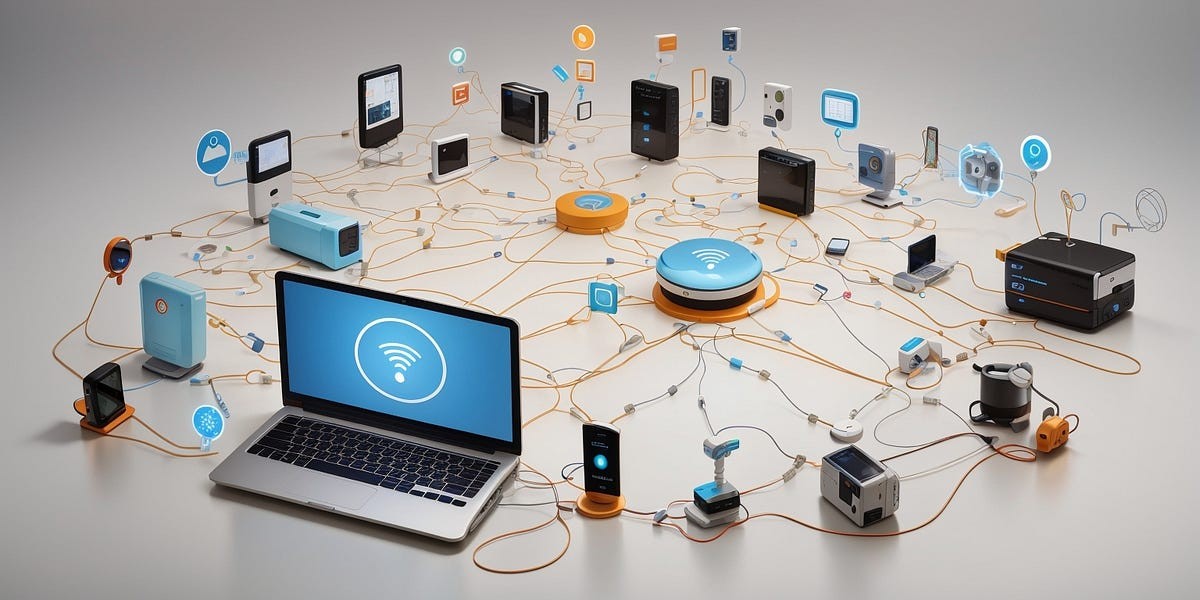
A network connects multiple devices and allows data to be shared. The internet is the largest example of a global network.
4. Databases
Databases store and manage large amounts of information. They are essential for websites, banks, and online applications.
5. Human Resources
Skilled IT professionals — such as developers, network administrators, and analysts — are the backbone of any IT system.
Key Fields of Information Technology
IT is a broad field with many specializations. Below are some of the most important areas:
1. Computer Networking
Networking involves connecting computers and devices so they can share data and resources. Network engineers build and maintain systems like LAN (Local Area Network) and WAN (Wide Area Network).
2. Cybersecurity
With the rise of digital threats, cybersecurity has become vital. It protects data and systems from hacking, viruses, and unauthorized access. Common methods include firewalls, encryption, and secure passwords.
3. Software Development
Software developers create applications, games, and tools that run on computers and mobile devices. Programming languages like Python, Java, and C++ are commonly used in this field.
4. Cloud Computing
Cloud computing allows users to store and access data over the internet instead of local storage. Services like Google Cloud, Amazon Web Services (AWS), and Microsoft Azure are leading cloud providers.
Cloud computing makes businesses more flexible, scalable, and cost-effective.
5. Data Science and Analytics
Data science focuses on analyzing and interpreting large datasets to make better decisions. It combines statistics, programming, and AI to uncover patterns and insights.
6. Artificial Intelligence and Machine Learning
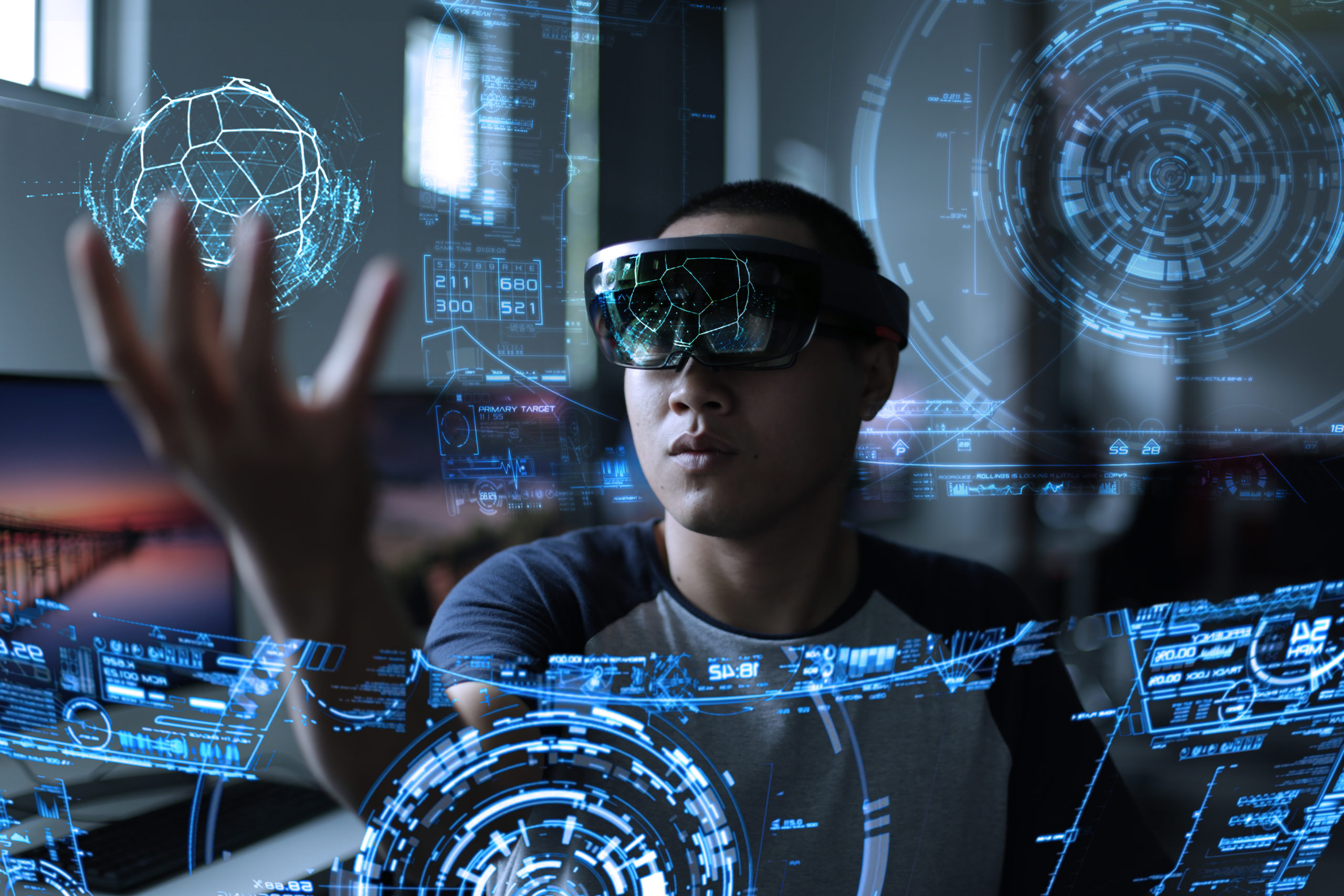
AI and ML are revolutionizing IT by enabling machines to learn and make decisions. They are used in virtual assistants, recommendation systems, and autonomous technologies.
7. IT Support and Services
IT support teams help individuals and organizations fix technical problems, maintain systems, and ensure smooth operation.
Applications of Information Technology
Information Technology has countless applications in different sectors:
1. IT in Business
Businesses use IT for accounting, communication, marketing, and operations. Enterprise software like ERP (Enterprise Resource Planning) helps companies manage everything from inventory to finance.
E-commerce platforms such as Amazon and Alibaba rely completely on IT to manage transactions, logistics, and customer data.
2. IT in Education
Information Technology has transformed education through online learning, digital classrooms, and smart boards. Students can attend classes virtually, submit assignments online, and access digital libraries.
Platforms like Google Classroom and Zoom became essential during the rise of remote education.
3. IT in Healthcare
Hospitals use IT to manage patient data, perform remote check-ups, and analyze medical records. Health tracking apps and wearable devices also rely on IT to monitor vital signs and promote wellness.
4. IT in Government and Public Services
Governments use IT for digital record-keeping, online tax filing, e-voting systems, and citizen services. This makes governance more transparent and efficient.
5. IT in Banking and Finance
IT powers online banking, ATMs, mobile apps, and digital transactions. Fintech (financial technology) companies use AI and data analytics to provide secure, user-friendly services.
6. IT in Entertainment
Streaming platforms like Netflix, YouTube, and Spotify use IT for content distribution, personalization, and user engagement. Gaming, animation, and film production also rely heavily on technology.
Benefits of Information Technology
- Increased Efficiency: IT automates repetitive tasks and speeds up processes.
- Better Communication: Digital communication tools make interaction instant and global.
- Improved Data Storage: Huge amounts of information can be safely stored and accessed anytime.
- Enhanced Security: Cybersecurity tools protect sensitive data from threats.
- Innovation: IT drives creativity in product design, marketing, and services.
- Remote Work: Cloud computing and collaboration tools allow employees to work from anywhere.
- Cost Reduction: Automation and digital systems reduce the need for manual labor and paperwork.
Challenges in Information Technology
Despite its benefits, IT also faces certain challenges that need attention:
- Cybersecurity Risks: Online threats like hacking, phishing, and ransomware attacks are increasing.
- Data Privacy: Protecting user data is a growing concern in the digital world.
- High Costs: Advanced IT infrastructure and maintenance can be expensive.
- Skill Gaps: Many industries face a shortage of skilled IT professionals.
- Dependence on Technology: Overreliance can cause problems if systems fail or data is lost.
Addressing these challenges through better education, security measures, and innovation is essential for a sustainable IT future.
Careers in Information Technology
The IT industry offers some of the most in-demand and well-paid career opportunities worldwide. Common roles include:
- Software Developer
- Network Engineer
- Data Analyst
- Cybersecurity Specialist
- Cloud Architect
- IT Project Manager
- Database Administrator
- Technical Support Engineer
With continuous advancements in AI, cloud computing, and automation, new IT jobs are emerging every year.
The Future of Information Technology
The future of IT is exciting and full of innovation. Some upcoming trends include:
- Artificial Intelligence Integration: AI will continue to improve automation and decision-making.
- Quantum Computing: This emerging technology will revolutionize data processing speeds.
- 5G Connectivity: Faster networks will power smart cities and IoT devices.
- Green IT: Sustainable computing will reduce energy consumption and waste.
- Cybersecurity Evolution: Advanced defense systems will protect against modern threats.
- Remote Work Technology: Virtual offices and collaboration platforms will keep expanding.
IT will keep evolving, shaping every part of life — from healthcare and education to business and governance.
Conclusion: The Power of Information Technology
Information Technology is more than just computers and software; it is the backbone of the digital world. It connects people, drives innovation, and helps solve global challenges.
As technology continues to evolve, IT will play an even greater role in shaping the future of communication, learning, and industry.
To keep up with this progress, individuals and organizations must continue learning, adapting, and embracing new technologies responsibly.
In the end, Information Technology is not just a tool — it is the bridge that connects humanity to endless possibilities.



Leave a Reply