

Introduction
Technology is the foundation of modern life. Every year brings new inventions that make our world faster, smarter, and more connected. From artificial intelligence that can think and learn, to robots that assist doctors and engineers, to eco-friendly innovations that fight climate change — technology is changing everything around us.
The year 2025 has already seen remarkable progress in computing power, automation, communication, and digital services. In this article, we will explore the most important latest technologies that are redefining industries and daily life.
1. Artificial Intelligence (AI): The Brain Behind Modern Innovation
Artificial Intelligence (AI) is the most powerful and fast-growing technology of our time. It enables machines to think, learn, and make decisions almost like humans.
AI is being used in self-driving cars, voice assistants, fraud detection, healthcare diagnostics, and countless other fields. Companies like Google, Microsoft, and OpenAI are leading the charge by building smarter algorithms and large language models that can understand and generate human-like responses.
Key Examples of AI in 2025:
- Chatbots and AI assistants that write, translate, and summarize content.
- AI healthcare systems that analyze medical images faster than human doctors.
- Predictive analytics in business, which helps companies understand consumer behavior.
- AI-powered security tools that detect cyber threats before they happen.
Why It Matters:
AI increases productivity, reduces costs, and creates personalized experiences for users. However, it also raises ethical questions about privacy, bias, and job automation — issues that society must manage carefully.
2. Robotics and Automation
Robotics is transforming industries from manufacturing to medicine. Modern robots are no longer limited to repetitive factory tasks — they can now perform complex operations such as surgery, logistics, and even customer service.
Latest Developments:
- Collaborative robots (Cobots): These machines work side by side with humans in factories and warehouses.
- Medical robots: Used for delicate surgeries and remote healthcare.
- Service robots: Cleaning, delivery, and hospitality robots are becoming common in public spaces.
Why It Matters:
Automation increases efficiency and safety, especially in dangerous or high-precision environments. In the long term, robots will take over routine work, allowing humans to focus on creativity, problem-solving, and design.
3. Internet of Things (IoT): A Connected World
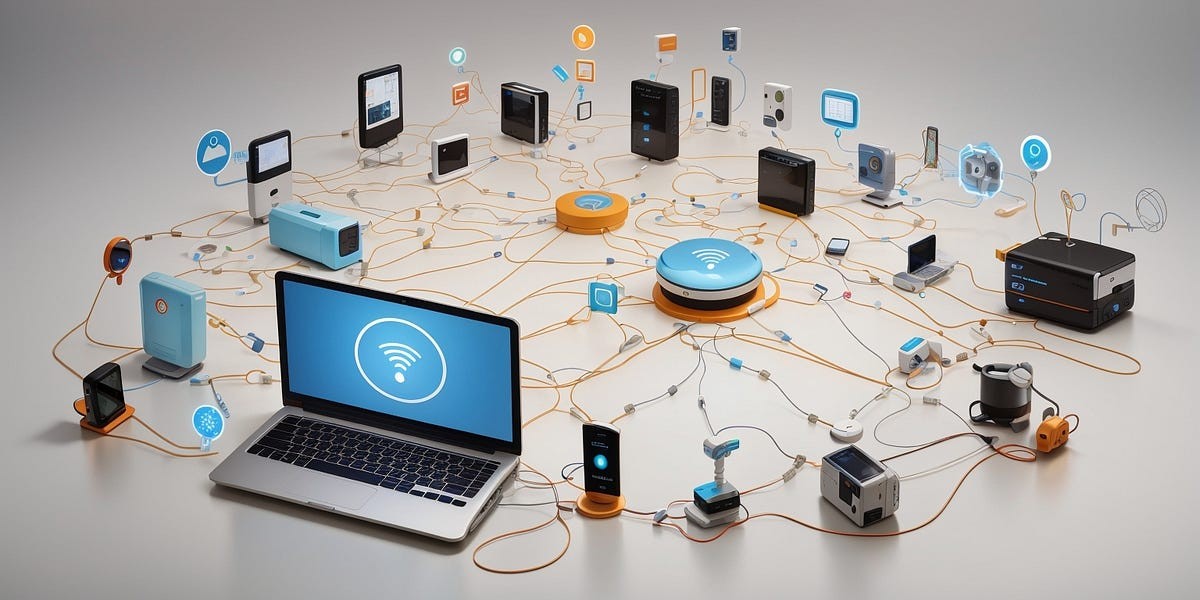
The Internet of Things (IoT) connects physical devices to the internet so they can collect and exchange data. Smart homes, wearable devices, and connected cars are all examples of IoT in action.
Examples of IoT in 2025:
- Smart thermostats that adjust room temperature automatically.
- Wearable fitness bands that monitor health in real time.
- Connected vehicles that share data with traffic systems.
- Smart cities that use sensors to manage water, waste, and energy.
Why It Matters:
IoT helps us live more efficiently and safely. It reduces waste, improves healthcare, and supports sustainable urban planning. However, cybersecurity and data privacy remain major challenges as more devices come online.
4. 5G and Next-Generation Connectivity
5G technology has revolutionized mobile communication by offering extremely fast internet speeds and lower latency. It enables seamless video streaming, faster downloads, and more reliable connections — even in crowded areas.
Latest Applications:
- High-definition video calls and gaming with almost no lag.
- Real-time remote surgery using robotic systems.
- Autonomous vehicles communicating with traffic infrastructure.
- Smart factories using connected sensors for efficiency.
Why It Matters:
5G is the foundation for many other technologies, including IoT, smart cities, and augmented reality. The expansion of 5G networks globally is expected to create millions of jobs and open up new business opportunities.
5. Blockchain Technology
Blockchain is more than just the technology behind cryptocurrencies like Bitcoin and Ethereum. It is a secure and transparent way of recording transactions across multiple computers.
Latest Uses:
- Financial systems: Secure, fast, and transparent payment systems.
- Supply chain management: Tracking goods from origin to delivery.
- Healthcare: Protecting patient data.
- Voting systems: Preventing election fraud with tamper-proof records.
Why It Matters:
Blockchain increases trust and transparency in digital systems. It reduces the risk of data manipulation and can transform industries such as banking, logistics, and government administration.
6. Virtual Reality (VR) and Augmented Reality (AR)
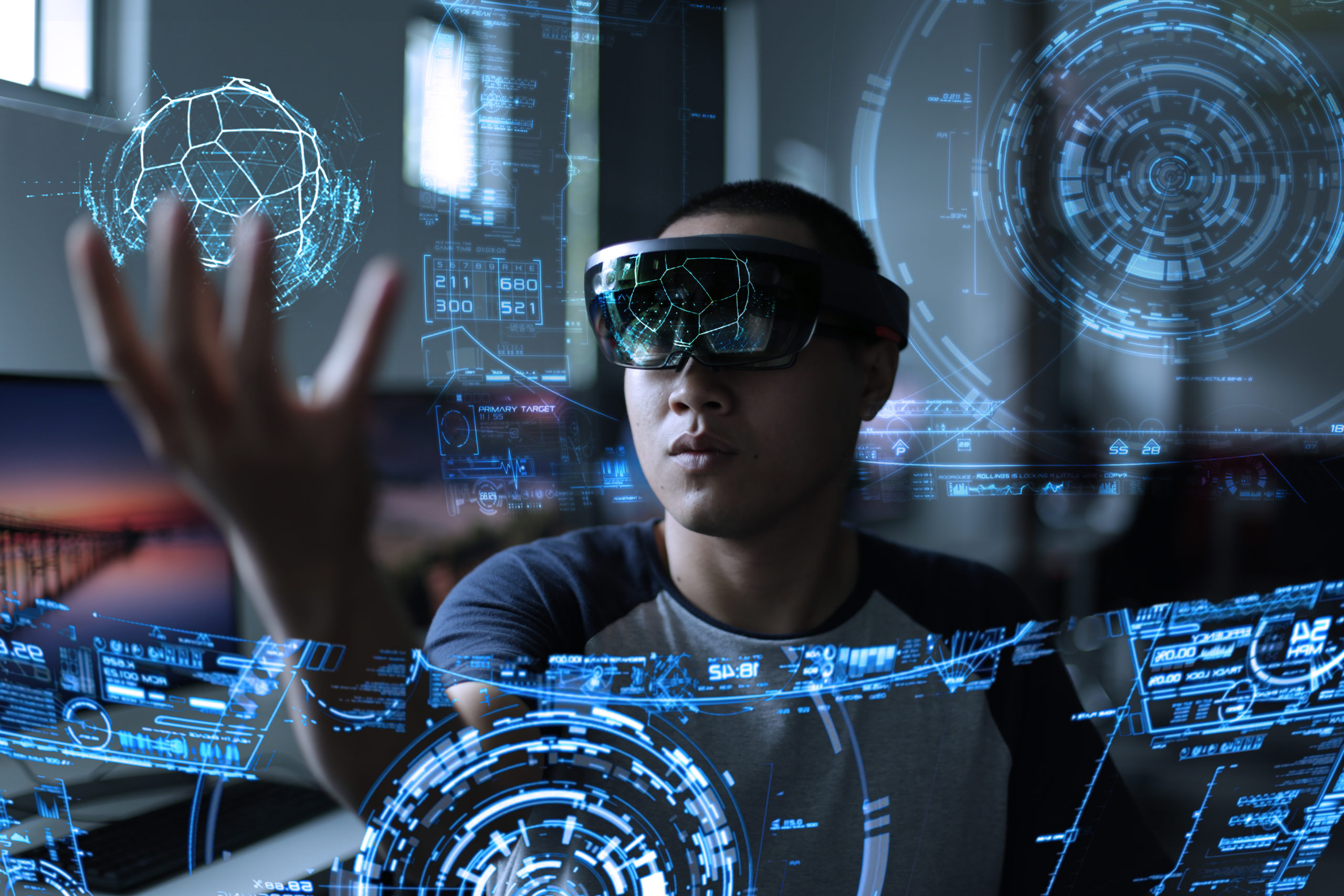
Virtual Reality (VR) and Augmented Reality (AR) are changing the way people learn, play, and interact.
- VR immerses users in fully digital environments — such as games, simulations, or training programs.
- AR overlays digital information on the real world — for example, showing directions through a smartphone camera or using holograms in education.
Applications in 2025:
- Virtual classrooms and remote training for students.
- Virtual tourism experiences.
- AR shopping apps that let users “try” products virtually.
- VR therapy for treating anxiety and PTSD.
Why It Matters:
These technologies bring creativity and accessibility to education, entertainment, and healthcare. With advancements in graphics and motion tracking, VR and AR are becoming more affordable and realistic.
7. Quantum Computing
Quantum computing is one of the most complex yet promising technologies today. Unlike traditional computers that use bits (0 or 1), quantum computers use qubits, which can represent multiple states at once.
This gives quantum computers the ability to solve problems that even the most powerful supercomputers cannot handle.
Latest Developments:
- Tech giants like IBM, Google, and Intel are racing to create stable quantum processors.
- Governments are investing billions in quantum research for cybersecurity and advanced simulations.
Why It Matters:
Quantum computing will revolutionize industries like cryptography, drug discovery, and materials science. It can help scientists design new medicines, predict climate patterns, and optimize global logistics systems.
8. Green Technology and Sustainable Innovation
As the effects of climate change become more serious, green technology is gaining importance. Innovations are focused on reducing pollution, saving energy, and developing renewable sources.
Examples of Green Tech:
- Solar and wind energy: Cheaper and more efficient systems.
- Electric vehicles (EVs): Better batteries and charging networks.
- Smart agriculture: Sensors and drones that monitor crop health.
- Recycling technology: Turning waste into reusable materials.
Why It Matters:
Sustainability is no longer optional. Green technology not only protects the planet but also creates new jobs and industries. In 2025, many companies are combining AI and IoT with renewable energy for maximum efficiency.
9. Biotechnology and Genetic Engineering
Biotechnology uses living organisms to develop new medicines, materials, and food. Genetic engineering allows scientists to modify DNA to improve crops, cure diseases, or create sustainable alternatives to plastic and meat.
Latest Developments:
- CRISPR technology for gene editing.
- Lab-grown meat and plant-based proteins.
- Bio-sensors for disease detection.
Why It Matters:
Biotech has the potential to extend human life, eliminate hunger, and solve major health problems. However, it must be regulated carefully to avoid misuse and ensure ethical responsibility.
10. Cybersecurity Advancements
As technology grows, so do cyber threats. Hackers and cybercriminals are using AI and automation to attack systems more effectively. In response, companies are developing stronger cybersecurity tools powered by artificial intelligence and machine learning.
Latest Developments:
- AI-based threat detection systems.
- Quantum encryption for secure communication.
- Multi-factor authentication becoming standard for all users.
Why It Matters:
Digital safety is one of the biggest challenges of the modern era. With most of our lives happening online — from banking to healthcare — cybersecurity innovation protects individuals, businesses, and nations from digital harm.
Conclusion
Technology is advancing faster than ever before. From AI to quantum computing, every breakthrough brings us closer to a smarter, more efficient, and more sustainable world.
The latest technologies of 2025 are not just about convenience; they are reshaping industries, economies, and societies. They hold the power to solve global problems — but also demand responsibility, ethics, and thoughtful regulation.
The future belongs to those who understand and embrace change. Staying informed about the latest technology is not only exciting — it’s essential for success in the digital age.
SEO Keywords Used:
latest technology, new technology 2025, artificial intelligence, robotics, 5G, blockchain, Internet of Things, VR, AR, quantum computing, green technology, biotechnology, innovation, cybersecurity, smart devices, sustainable tech, future technology.



Leave a Reply