

Introduction
In today’s digital world, technology is the heart of every business. From communication and data storage to online security and software management — everything depends on IT systems. But maintaining these systems can be complex and expensive.
That’s where Managed IT Services come in.
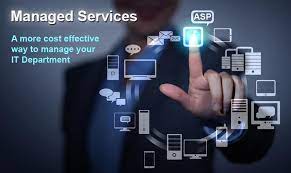
Managed IT services allow companies to outsource their IT operations to professional providers who handle everything from system monitoring to cybersecurity. This approach saves time, reduces costs, and ensures that technology always runs efficiently.
Let’s explore what managed IT services are, how they work, and why they have become essential for businesses in 2025 and beyond.
What Are Managed IT Services?
Managed IT services refer to the ongoing management of an organization’s IT infrastructure and systems by a third-party expert known as a Managed Service Provider (MSP).
Instead of fixing problems as they happen, MSPs proactively monitor, maintain, and secure the client’s IT environment 24/7.
In simple terms:
Managed IT services mean hiring professionals to make sure your computers, networks, and data always work properly — while you focus on running your business.
How Managed IT Services Work
When a company partners with an MSP, both sides agree on a Service Level Agreement (SLA).
This document defines the services, responsibilities, performance standards, and pricing.
The MSP then uses advanced monitoring tools to track the health of the client’s systems, detect issues early, and apply fixes automatically or remotely.
Typical managed services include:
- Network monitoring and maintenance
- Data backup and recovery
- Cloud management
- Cybersecurity protection
- Help desk and technical support
- Software updates and patch management
Everything runs in the background, so the business can operate smoothly without interruptions.
Types of Managed IT Services
Managed IT covers a wide range of services that can be customized to fit any organization’s needs.
1. Network and Infrastructure Management
The MSP manages routers, switches, servers, and internet connections to ensure fast and secure communication.
- Constant network monitoring
- Preventive maintenance
- Troubleshooting connectivity issues
2. Cloud Management
MSPs handle cloud storage, virtual servers, and applications hosted on platforms such as AWS, Azure, or Google Cloud.
- Cloud migration
- Performance optimization
- Cost management
3. Cybersecurity Services
Security is a top priority. MSPs protect systems from viruses, malware, phishing, and ransomware.
- Firewall management
- Threat detection and response
- Data encryption and vulnerability testing
4. Data Backup and Disaster Recovery
MSPs regularly back up business data and ensure fast recovery after data loss or system failure.
- Automated backups
- Off-site storage
- Business continuity planning
5. Help Desk and Technical Support
Round-the-clock assistance for employees who face technical problems.
- Remote troubleshooting
- Hardware and software support
- User training
6. Software Management
MSPs install, update, and monitor all company software to ensure smooth performance and security compliance.
7. IT Consulting and Strategy
Advising companies on new technologies, digital transformation, and infrastructure upgrades.
Benefits of Managed IT Services
The popularity of managed IT services continues to grow because of the many benefits they bring to businesses.
1. Cost Savings
Managed IT services reduce operational costs. Instead of paying for expensive in-house IT teams, companies pay a predictable monthly fee based on the services they need.
2. Proactive Support
MSPs monitor systems 24/7, identifying and fixing issues before they cause downtime. This proactive approach prevents costly interruptions.
3. Access to Expertise
MSPs employ trained professionals who specialize in networking, cybersecurity, cloud management, and software — giving clients access to top-level skills without hiring full-time staff.
4. Improved Security
With cyber threats increasing daily, MSPs use advanced security tools and continuous monitoring to protect company data.
5. Scalability
As businesses grow, their technology needs change. Managed IT services easily scale up or down based on the organization’s requirements.
6. Focus on Core Business
By outsourcing IT tasks, companies can focus on what they do best — serving customers and growing their brand.
7. Increased Productivity
Fast technical support, reliable systems, and automation help employees work without delays.
Managed IT Services vs. Traditional IT Support
| Feature | Managed IT Services | Traditional IT Support |
|---|---|---|
| Approach | Proactive monitoring & prevention | Reactive “break-fix” support |
| Cost Model | Fixed monthly subscription | Pay per issue or repair |
| Monitoring | 24/7 real-time | Only during problems |
| Scalability | Easily scalable | Limited flexibility |
| Security | Continuous protection | Basic or occasional checks |
In short:
Managed IT services are proactive, predictable, and long-term — while traditional IT support reacts only when something breaks.
Key Components of a Good Managed IT Service Provider (MSP)
When choosing an MSP, businesses should look for providers with the following qualities:
- 24/7 Monitoring and Support
- Strong Data Security Practices
- Clear Service Level Agreements (SLAs)
- Scalable Service Packages
- Proven Industry Experience
- Transparent Pricing
- Cloud and Remote Support Capabilities
A reliable MSP becomes more than a vendor — it acts as a technology partner that helps the business grow and innovate.
Common Tools Used by MSPs
Managed service providers rely on advanced tools to deliver consistent and efficient IT management:
- Remote Monitoring and Management (RMM) software
- Professional Services Automation (PSA) systems
- Cloud management dashboards
- Endpoint security tools
- Backup and recovery platforms
- Performance analytics systems
These tools enable MSPs to detect problems instantly, automate fixes, and deliver detailed performance reports to clients.
Managed IT in Different Industries
Managed IT services are used across almost every sector, including:
1. Healthcare
Protecting patient data and maintaining HIPAA compliance with secure cloud and data backup systems.
2. Finance and Banking
Monitoring transactions, securing customer data, and meeting financial regulations.
3. Education
Supporting online learning systems, student records, and classroom technologies.
4. Retail and E-Commerce
Ensuring secure payment systems, website uptime, and customer analytics.
5. Manufacturing
Managing industrial IoT systems, supply chains, and automation technology.
6. Government
Protecting sensitive citizen data and maintaining digital public services.
The Role of Cybersecurity in Managed IT
Cybersecurity is one of the most critical aspects of managed IT. In 2025, cyber threats are becoming more sophisticated, targeting businesses of all sizes.
MSPs now provide next-generation security solutions, including:
- AI-based threat detection
- Endpoint protection
- Cloud access security brokers (CASB)
- Identity and access management (IAM)
- Regular penetration testing
By integrating cybersecurity into every layer of IT management, MSPs ensure complete digital protection.
Cloud and Managed IT Services
With the rise of cloud computing, many MSPs now offer cloud-based managed services.
This includes cloud migration, hybrid cloud setup, and performance optimization.
Benefits:
- Flexible access from any location
- Automatic updates
- Cost control through subscription-based pricing
- Scalable storage and computing power
Managed cloud services help businesses adopt new technology faster and operate more efficiently.
The Future of Managed IT Services
The managed IT industry is expected to grow even faster in the coming years. According to recent reports, the global market for managed IT services could exceed $500 billion by 2028.
Emerging Trends:
- AI-Driven Automation – Using artificial intelligence to predict and fix IT issues before they happen.
- Edge Computing Management – Handling data closer to users for faster response times.
- Zero-Trust Security Models – Ensuring continuous verification for all users and devices.
- Sustainability in IT – Green data centers and energy-efficient systems.
- Remote and Hybrid Work Support – Secure systems for global teams.
As technology evolves, MSPs will play a central role in helping businesses stay secure, compliant, and competitive.
Why Businesses Choose Managed IT Services
To summarize, companies choose managed IT services because they:
- Save time and money
- Improve system reliability
- Strengthen cybersecurity
- Gain access to top-tier experts
- Enhance productivity and innovation
Whether it’s a small business or a large enterprise, managed IT services are a smart investment in long-term success.
Conclusion
In a world driven by technology, businesses cannot afford downtime, data loss, or weak security. Managed IT services provide the expertise, reliability, and peace of mind that every modern company needs.
By partnering with a trusted Managed Service Provider, organizations can focus on their core goals — while professionals handle the complex side of technology.
As we move deeper into the digital future, managed IT services will continue to be the foundation of secure, efficient, and innovative business operations.






Leave a Reply