

Introduction
Batteries power our modern world — from smartphones and laptops to electric cars and renewable energy systems. But as technology advances, the need for safer, faster-charging, and longer-lasting batteries continues to grow.
That’s where solid-state batteries come in.
Solid-state batteries are being called the next big revolution in energy storage. They promise higher energy density, better safety, and faster charging than the lithium-ion batteries we use today.
In this guide, we’ll explain in simple terms what solid-state batteries are, how they work, their advantages and challenges, and why they’re expected to change industries like electric vehicles (EVs), consumer electronics, and renewable energy.
What Is a Solid-State Battery?
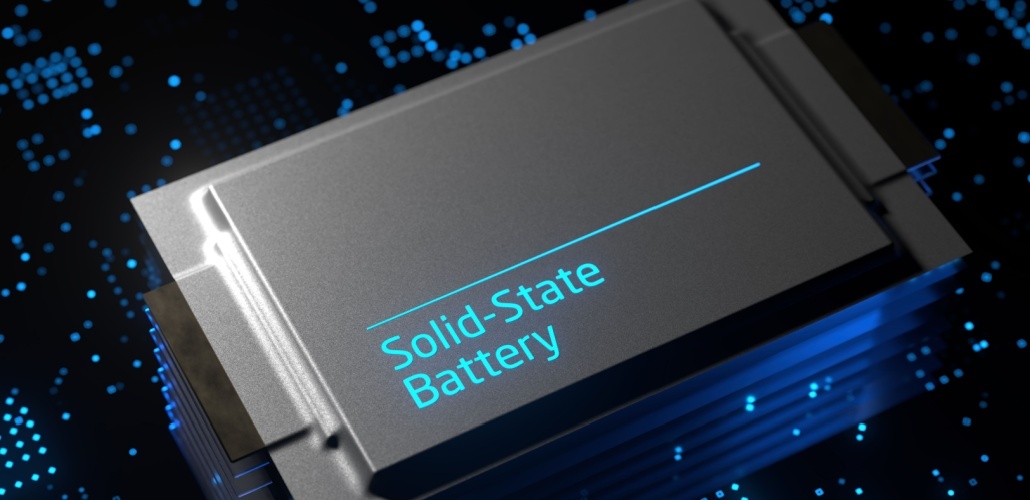
A solid-state battery is an advanced type of battery that uses a solid electrolyte instead of the liquid or gel electrolyte found in traditional lithium-ion batteries.
In simple words:
- A normal lithium-ion battery uses a liquid to move ions between the anode (negative side) and cathode (positive side).
- A solid-state battery replaces that liquid with a solid material — such as ceramic, glass, or a solid polymer.
This small change makes a big difference — improving safety, performance, and energy capacity.
How Does a Solid-State Battery Work?
The basic structure of a solid-state battery is similar to that of a lithium-ion battery. It has three main parts:
- Anode (negative electrode) – Usually made of lithium metal or graphite.
- Cathode (positive electrode) – Often made of lithium compounds or metal oxides.
- Electrolyte (solid) – Transfers ions between the anode and cathode during charging and discharging.
When Charging:
- Lithium ions move from the cathode to the anode through the solid electrolyte.
- Electrons travel through the external circuit to store energy.
When Discharging:
- Ions move back to the cathode, releasing electrons to power devices or vehicles.
Because the electrolyte is solid, the battery is more stable, less flammable, and capable of holding more energy in the same space.
Solid-State vs. Lithium-Ion Batteries
Let’s compare the two to understand why solid-state batteries are gaining so much attention.
| Feature | Solid-State Battery | Lithium-Ion Battery |
|---|---|---|
| Electrolyte Type | Solid (ceramic, glass, or polymer) | Liquid or gel |
| Energy Density | Higher (more energy per size) | Lower |
| Charging Speed | Faster | Slower |
| Safety | Very safe (non-flammable) | Can overheat or catch fire |
| Temperature Range | Works in wider conditions | Sensitive to heat and cold |
| Lifespan | Longer (more charge cycles) | Shorter |
| Production Cost (current) | Expensive | Cheaper (but improving) |
In short, solid-state batteries offer better performance and safety, but they’re still expensive and complex to manufacture at scale.
Advantages of Solid-State Batteries
Solid-state batteries bring many benefits that make them ideal for the next generation of devices and vehicles.
1. Higher Energy Density
They can store up to twice as much energy as current lithium-ion batteries.
This means:
- Electric cars can travel longer distances.
- Phones and laptops can run longer between charges.
2. Faster Charging
Solid electrolytes allow faster ion movement, enabling rapid charging — sometimes in minutes instead of hours.
3. Improved Safety
Since they don’t use flammable liquid electrolytes, the risk of leakage, overheating, or explosion is much lower.
4. Longer Lifespan
Solid-state batteries can withstand thousands of charge cycles without significant degradation, extending the battery’s life.
5. Wider Operating Temperatures
They can perform better in hot or cold conditions, making them suitable for electric vehicles and outdoor energy storage.
6. Smaller and Lighter
Because they store more energy in a smaller space, devices can be lighter and more compact.
Disadvantages and Challenges
Despite their advantages, solid-state batteries still face some challenges before mass adoption.
1. High Manufacturing Costs
Producing solid electrolytes and assembling them precisely is currently expensive.
2. Material Compatibility
Finding solid materials that conduct ions well and are stable with electrodes remains difficult.
3. Scalability
It’s challenging to mass-produce solid-state batteries while keeping quality and performance consistent.
4. Durability Issues
Some solid electrolytes develop tiny cracks during charging and discharging, reducing performance over time.
5. Limited Availability
Most solid-state batteries are still in research or prototype stages, though major companies are rapidly advancing.
Materials Used in Solid-State Batteries
Different solid materials can serve as electrolytes. Each has its pros and cons.
| Type of Solid Electrolyte | Examples | Advantages | Challenges |
|---|---|---|---|
| Ceramic (Oxides, Sulfides) | LLZO, LPS | High ionic conductivity, stable | Brittle, hard to manufacture |
| Polymers | PEO, PVDF | Flexible, easy to produce | Lower conductivity, temperature sensitivity |
| Glass Electrolytes | Lithium-phosphate glass | Good stability, promising results | Still in development |
Researchers are experimenting with new materials to find the perfect balance between safety, performance, and cost.
Applications of Solid-State Batteries
Solid-state batteries can power many types of technology. Let’s look at where they’ll make the biggest impact.
1. Electric Vehicles (EVs)
The automotive industry is the biggest driver of solid-state battery research.
Benefits for EVs include:
- Longer driving range (600–800 km on a single charge)
- Faster charging times (under 20 minutes)
- Improved safety and durability
Companies like Toyota, BMW, Nissan, Samsung, and QuantumScape are working on commercializing solid-state batteries for EVs within the next few years.
2. Consumer Electronics
Smartphones, laptops, and wearables will last much longer and charge faster.
Solid-state batteries also make devices thinner, lighter, and safer to use.
3. Renewable Energy Storage
They can store solar or wind energy more efficiently for homes, businesses, and power grids — helping support a cleaner energy future.
4. Aerospace and Defense
In aircraft, drones, and satellites, solid-state batteries provide high energy with low weight and better safety under extreme conditions.
5. Medical Devices
They can power pacemakers, implants, and sensors more safely due to their stability and long lifespan.
Major Companies Developing Solid-State Batteries
Many leading companies and startups are racing to bring solid-state batteries to market.
| Company | Country | Focus Area |
|---|---|---|
| Toyota | Japan | EV batteries, aiming for launch by 2027 |
| QuantumScape | USA | Backed by Volkswagen, solid-state EV batteries |
| Samsung SDI | South Korea | Prototype solid-state cells for electronics and cars |
| Solid Power | USA | Partnered with Ford and BMW |
| Panasonic | Japan | Developing solid-state tech for EVs |
| CATL | China | Researching solid-state and semi-solid batteries |
| ProLogium | Taiwan | Commercializing solid-state batteries for EVs |
This competition is speeding up innovation and making solid-state technology more affordable.
Recent Advances and Breakthroughs
The last few years have seen big progress in solid-state battery research:
- QuantumScape’s Prototype Cells (USA):
Their solid-state batteries achieved 80% charge in 15 minutes with long cycle life. - Toyota’s Announcement (Japan):
Toyota aims to launch its first solid-state EV batteries by 2027–2028, with up to 1,000 km range. - Samsung’s Silver-Carbon Anode (South Korea):
This innovation could double battery life and reduce size. - ProLogium’s Pilot Production (Taiwan):
They’re building solid-state battery factories for EV use.
These advances show that mass production may soon become a reality.
Environmental Impact of Solid-State Batteries
Solid-state batteries can help build a more sustainable future:
- No toxic liquid electrolytes, reducing chemical waste.
- Longer lifespan means fewer batteries need to be produced and recycled.
- Higher efficiency reduces energy consumption overall.
- Supports renewable energy by storing solar and wind power efficiently.
However, researchers still need to ensure materials are ethically sourced and recyclable.
The Future of Solid-State Batteries
The global battery industry is undergoing a major transformation, and solid-state batteries are leading the charge.
What to Expect in the Next 5–10 Years:
- Commercial Electric Vehicles with Solid-State Batteries – Toyota, Nissan, and BMW are expected to launch models before 2030.
- Cheaper Production – As factories scale up, costs will fall dramatically.
- Hybrid “Semi-Solid” Batteries – A mix of liquid and solid materials for faster adoption.
- Wider Use in Renewable Energy Grids – Supporting cleaner power systems.
- Integration with AI and Smart Grids – Optimized charging and performance through intelligent energy management.
Experts predict that by 2035, solid-state batteries could become the global standard for electric vehicles and advanced electronics.
Conclusion
Solid-state batteries represent a major leap forward in energy storage technology.
They’re safer, faster, and more powerful than traditional lithium-ion batteries — with the potential to transform industries from automotive to consumer electronics and renewable energy.
While challenges like high costs and mass production remain, progress is happening quickly.
As companies refine manufacturing and materials, solid-state batteries may soon power the next generation of clean, efficient, and sustainable devices and vehicles.
The future of energy is solid — and it’s closer than we think.



Leave a Reply