

Introduction
In today’s fast-moving digital world, technology powers almost everything — from online businesses to global communication. However, all this progress also comes with a cost: increasing energy use, electronic waste, and environmental impact.
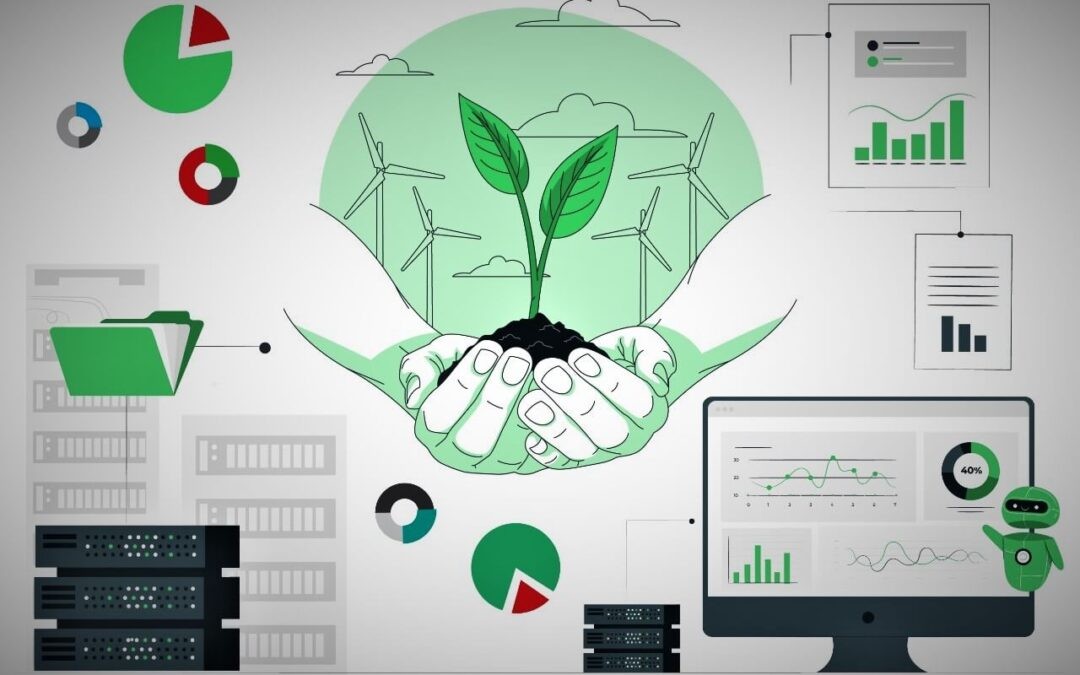
That’s where Sustainable IT Practices, also known as Green IT, come in. Sustainable IT means using technology in ways that reduce harm to the planet while improving efficiency and saving costs.
Whether you are a business owner, developer, or IT manager, adopting sustainable IT practices can make your organization more eco-friendly, socially responsible, and cost-effective.
What Is Sustainable IT?
Sustainable IT (or Green Computing) refers to designing, using, and disposing of information technology in ways that reduce negative effects on the environment.
It focuses on:
- Reducing energy consumption
- Lowering carbon footprint
- Managing electronic waste (e-waste)
- Promoting recycling and reuse
- Encouraging responsible digital habits
In short, sustainable IT is about doing more with less — using technology efficiently while caring for the planet.
Why Sustainable IT Matters
1. Environmental Impact
The IT industry produces a large amount of greenhouse gases through data centers, cloud services, and electronic manufacturing. Adopting green IT helps cut emissions and supports global climate goals.
2. Cost Savings
Energy-efficient systems and virtualization reduce electricity bills and hardware costs.
3. Corporate Reputation
Consumers prefer companies that care about the environment. Sustainable IT boosts brand image and builds trust.
4. Legal Compliance
Many countries have introduced laws to reduce e-waste and carbon emissions. Sustainable practices help you stay compliant.
5. Long-Term Innovation
Green IT encourages innovation — such as cloud optimization, renewable energy use, and AI-driven energy management.
Key Areas of Sustainable IT Practices
Let’s explore the main areas where businesses and developers can apply sustainable IT strategies.
1. Energy Efficiency in IT Infrastructure
Data centers and servers use massive amounts of energy. Making them more efficient is a big step toward sustainability.
How to do it:
- Use energy-efficient hardware with Energy Star certification.
- Enable power management settings on computers and devices.
- Use virtualization to run multiple applications on a single server.
- Switch to solid-state drives (SSDs) which use less power.
- Choose cloud providers that run on renewable energy.
2. Green Data Centers
Data centers are the backbone of the digital world, but they also consume a lot of power for cooling and storage.
Sustainable practices include:
- Using free cooling systems (like outside air instead of air conditioning).
- Locating data centers in cooler regions to reduce cooling needs.
- Using AI-powered monitoring to optimize energy use.
- Implementing liquid cooling for servers.
- Running data centers on renewable energy sources like solar or wind.
3. Cloud Computing for Sustainability
Cloud technology can help reduce waste and improve resource utilization.
Instead of owning and running many underused servers, companies can use cloud services that automatically scale up or down as needed.
Benefits:
- Reduced energy consumption
- Shared infrastructure means fewer physical servers
- Easier to update and manage software remotely
- Cloud providers often invest in renewable energy
Tip: Choose sustainable cloud providers such as Google Cloud, Microsoft Azure, or AWS, which have strong commitments to carbon neutrality.
4. Sustainable Software Development
Developers play a key role in sustainability. Writing efficient code helps reduce resource use.
Best practices:
- Write lightweight code that runs faster and uses less processing power.
- Avoid unnecessary background tasks.
- Optimize algorithms for lower CPU usage.
- Use cloud-based collaboration tools to reduce paper and travel.
- Test software for energy efficiency, not just performance.
This approach is often called Green Software Engineering — designing applications that are both functional and environmentally friendly.
5. Responsible Hardware Management
Hardware production and disposal have major environmental impacts. Every device contains materials like lithium, lead, and rare earth metals that are hard to recycle.
Steps to take:
- Extend device life by upgrading components instead of replacing entire systems.
- Refurbish and reuse older equipment where possible.
- Recycle e-waste through certified programs.
- Buy from manufacturers that use recycled materials or eco-friendly production methods.
Businesses can also set take-back programs to collect and recycle old devices.
6. Virtual Meetings and Remote Work
The COVID-19 pandemic showed how effective remote work can be. Sustainable IT supports this by reducing travel, office energy use, and paper consumption.
Simple actions include:
- Using video conferencing tools instead of business trips.
- Encouraging digital document sharing instead of printing.
- Powering down office equipment when not in use.
- Promoting green home offices with energy-efficient setups.
7. Sustainable Procurement
When buying IT equipment or software, consider the environmental impact of production and shipping.
Tips:
- Choose suppliers with eco-labels or ISO 14001 certifications.
- Buy modular systems that can be repaired and upgraded.
- Prefer local vendors to reduce transport emissions.
- Request energy consumption reports from suppliers.
Sustainable procurement helps businesses build a green supply chain from start to finish.
8. Digital Waste Reduction
Digital waste refers to unused files, duplicate data, or unnecessary software that takes up storage and energy.
How to reduce it:
- Clean up servers and databases regularly.
- Delete unused emails and attachments.
- Archive old files in energy-efficient cloud storage.
- Encourage employees to maintain digital hygiene.
Less digital clutter means lower energy consumption and faster system performance.
9. Measuring and Reporting Sustainability
You can’t improve what you don’t measure. Businesses should track and report their sustainability performance.
Useful metrics:
- Carbon footprint of IT operations
- Energy usage per data center or application
- E-waste recycled or reused
- Green certifications achieved
Tools like Carbon Trust, Energy Star Portfolio Manager, and Sustainability dashboards can help measure progress.
Regular reporting builds transparency and trust with customers and investors.
Benefits of Sustainable IT for Businesses
| Benefit | Description |
|---|---|
| Cost Efficiency | Lower energy and hardware costs over time. |
| Brand Reputation | Customers prefer eco-friendly companies. |
| Innovation | Encourages new ways of designing and managing IT. |
| Compliance | Meets environmental regulations and standards. |
| Employee Engagement | Staff feel proud to work for a green organization. |
Challenges in Implementing Sustainable IT
Even though sustainable IT offers many benefits, there are some challenges to overcome.
1. High Initial Costs
Eco-friendly hardware and renewable energy setups can be expensive at first.
2. Lack of Awareness
Some organizations still view sustainability as optional rather than essential.
3. Data Growth
Rising data volumes make it harder to manage energy use efficiently.
4. Limited Green Technology Access
Not all regions have access to renewable energy or certified recycling centers.
5. Changing Mindsets
Encouraging employees and developers to adopt greener habits requires training and motivation.
With planning and leadership support, these challenges can be managed successfully.
How Developers Can Contribute
Developers are the builders of the digital world — and they can make a big difference in sustainability.
Here’s how:
- Optimize code performance to use fewer computing resources.
- Use cloud APIs that rely on green infrastructure.
- Automate tasks that reduce energy waste.
- Promote paperless processes through digital apps.
- Educate teams about energy-efficient software design.
Even small coding improvements can save a lot of energy when used by millions of people.
The Future of Sustainable IT
The future of technology is green. Many exciting trends are emerging:
- AI for Sustainability – Using AI to predict and optimize energy use.
- Green Cloud Computing – Data centers powered by renewable energy.
- Carbon-Neutral IT Companies – Firms aiming to offset all emissions.
- Edge Computing Efficiency – Running processes locally to reduce data transfer.
- Circular IT Economy – Reusing, repairing, and recycling hardware at scale.
As businesses and governments move toward net-zero carbon goals, sustainable IT will play a major role in shaping a greener digital economy.
Conclusion
Sustainable IT is not just about saving energy — it’s about building a better future where technology and the environment work together.
By adopting green IT strategies, businesses can reduce costs, boost innovation, and show true social responsibility. Developers can contribute by designing energy-efficient software and promoting sustainable digital habits.
Small actions — like recycling devices, optimizing servers, or writing cleaner code — can create big changes over time.
Together, we can build a smarter, cleaner, and more sustainable digital world.






Leave a Reply