


Introduction
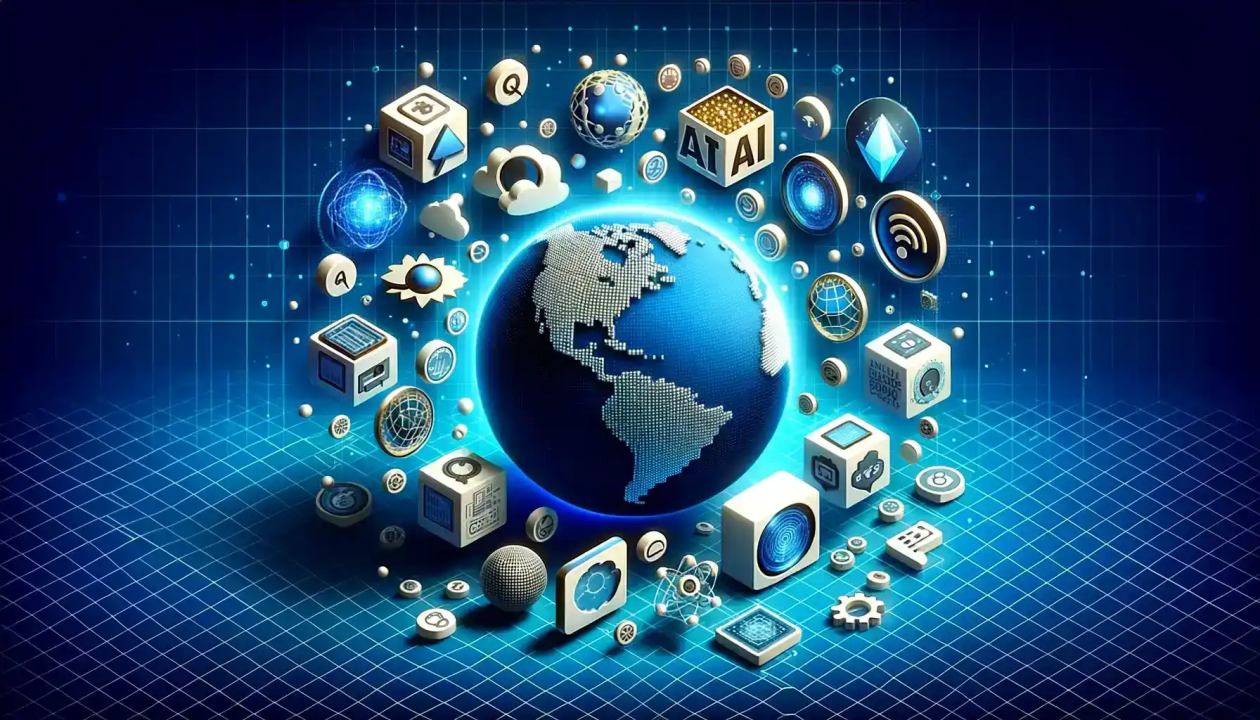
Technology continues to evolve at lightning speed. Every month, we see new breakthroughs in artificial intelligence, gadgets, computing power, and digital experiences. From smarter navigation to foldable smartphones, tech giants like Google, Apple, Samsung, and Qualcomm are constantly pushing the boundaries of what’s possible.
In this article, we’ll explore some of the most recent technology news that is making headlines around the world. You’ll learn how these innovations impact consumers, businesses, and the future of our digital world.
1. Google Maps Becomes Smarter with Gemini AI
Google has integrated its advanced Gemini artificial intelligence into Google Maps. This update turns Maps into an interactive assistant rather than a simple navigation tool.
Users can now ask Google Maps natural questions like, “Where can I find a good restaurant with parking nearby?” or “Show me the most scenic route to work.” The system uses AI to analyze millions of data points and provide context-based recommendations.
Why It Matters
This update changes the way we use navigation apps. Instead of static directions, users now enjoy conversational and adaptive guidance. It could also make driving safer by allowing full voice control and hands-free operation.
For countries like Pakistan and others in South Asia, better map intelligence could improve logistics, tourism, and transportation planning. However, privacy and data collection remain key concerns.
2. Apple Partners with Google for Artificial Intelligence
Apple has surprised the tech industry by partnering with Google to use a custom version of Google’s Gemini AI model. This system will power Apple’s next-generation voice assistant features under its “Apple Intelligence” program.
Apple is reportedly investing around one billion dollars per year in this partnership. Siri will become much smarter, capable of planning, summarizing, and understanding natural speech at a deeper level.
Why It Matters
Apple is known for developing most of its technology in-house. Its decision to rely on Google’s AI shows how complex and expensive advanced AI systems have become.
For users, this could mean a completely new Siri experience — one that can summarize your day, suggest plans, or even write emails for you. However, Apple must still maintain its strong privacy standards, which is one of its biggest selling points.
3. Qualcomm and Samsung Strengthen Their Chip Partnership
Qualcomm, the company behind Snapdragon processors, has confirmed that it will supply about 75% of the chipsets for Samsung’s next flagship smartphone series, the Galaxy S26. The remaining 25% will use Samsung’s own Exynos 2600 chips.
This move indicates Samsung’s ongoing reliance on Qualcomm for high-performance devices. Snapdragon chips are known for their stability, energy efficiency, and strong graphics performance.
Why It Matters
The semiconductor market is the backbone of the tech world. Every smartphone, tablet, and laptop relies on chips to function. Qualcomm’s continued dominance shows that the U.S. company remains a leader in global chip manufacturing.
For consumers, this partnership means faster performance, better battery life, and more advanced AI features. However, it also highlights how dependent the global tech ecosystem is on a few key manufacturers.
4. Samsung Expands Its Extended Reality (XR) Devices
Samsung is preparing to launch its Galaxy XR headset in new regions, including the UK, Canada, and parts of Europe. Previously, this product was limited to South Korea and the United States.
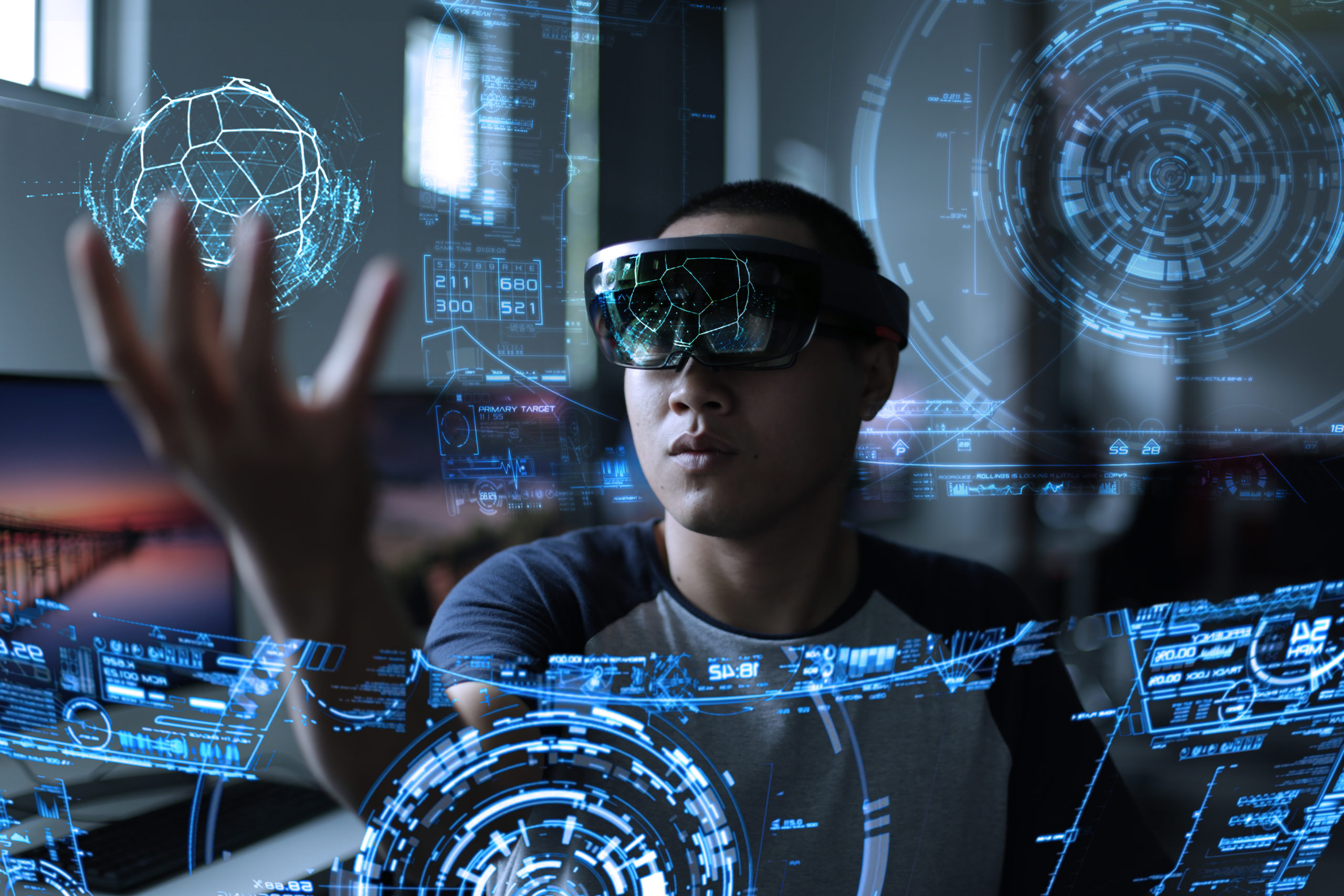
The Galaxy XR headset is designed for mixed reality — combining augmented reality (AR) and virtual reality (VR). It can be used for gaming, education, work collaboration, and immersive entertainment.
Why It Matters
Extended Reality (XR) is one of the most exciting frontiers in technology. As these devices become more powerful and affordable, they could revolutionize industries like healthcare, education, and design.
Samsung’s global expansion shows that demand for immersive tech is rising. If it becomes available in markets like Pakistan, it could inspire local developers to build new XR experiences for consumers and businesses.
5. Apple’s First Foldable iPhone Is Coming
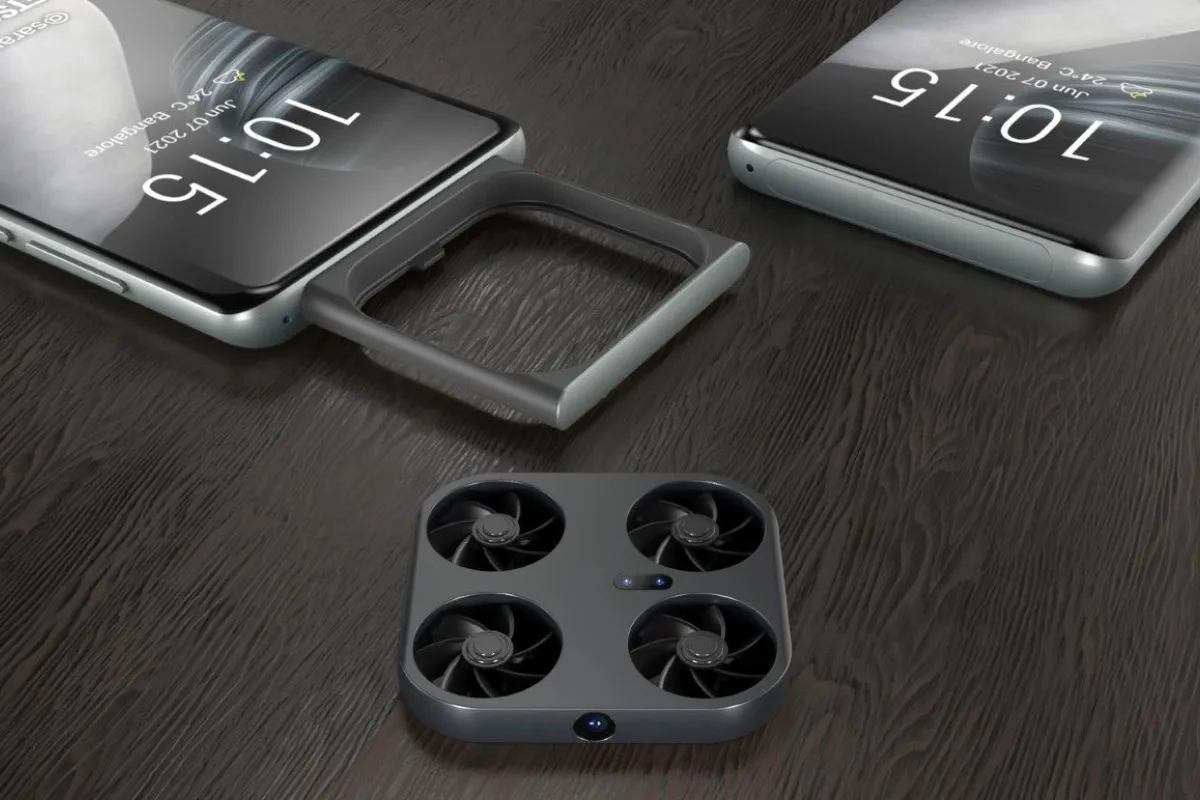
Reports suggest that Apple’s first foldable iPhone could launch in late 2026. The device is rumored to feature a 24-megapixel under-display selfie camera and a flexible OLED screen. Interestingly, it might not include Face ID — Apple’s famous facial recognition system.
This innovation marks Apple’s official entry into the foldable phone market, which has been dominated by Samsung, Oppo, and Huawei in recent years.
Why It Matters
Foldable smartphones represent the next stage of mobile evolution. They combine portability with large screen experiences, making them ideal for productivity and media consumption.
Apple’s entry will likely push the entire industry to improve build quality, durability, and software design. Consumers can expect a wave of new foldable designs and accessories after Apple’s official launch.
6. Motorola Unveils a Budget Smartphone with a Massive Battery
Motorola has introduced a new mid-range smartphone equipped with a 7,000 mAh battery and Android 16. The device, designed for value-conscious users, promises exceptional battery life and reliable performance.
This model continues Motorola’s tradition of offering solid phones at affordable prices. It targets regions where power infrastructure can be unreliable — making long battery life a key selling point.
Why It Matters
In emerging markets such as South Asia and Africa, consumers prioritize durability and battery life over luxury features. Motorola’s strategy of focusing on practicality could help it regain popularity among budget users.
The trend also highlights how phone manufacturers are segmenting their markets: high-end innovation for premium users, and battery-efficient, value-driven products for developing economies.
7. AirTags Discounts Lead Early Black Friday Sales
Apple’s AirTags are seeing massive discounts in early Black Friday promotions. A four-pack of trackers, normally priced around $99, is selling for nearly half that price in some online stores.
AirTags help users locate lost items such as keys, wallets, or luggage by using Apple’s Find My network.
Why It Matters
This type of deal indicates a broader strategy to attract users into Apple’s ecosystem. Lowering accessory prices encourages customers to connect more devices and rely on Apple’s network services.
For markets like Pakistan, these global discounts can influence import and resale pricing, making premium accessories more accessible.
Broader Trends in the Tech Industry
Artificial Intelligence Everywhere
The most noticeable trend in recent technology news is the integration of AI into every platform. Whether it’s navigation (Google Maps), voice assistants (Siri), or smartphones (Qualcomm chips), artificial intelligence is at the center of innovation.
AI is no longer limited to research labs — it’s shaping how we work, shop, and communicate. Expect AI-powered features to become standard in future devices.
The Rise of Extended and Virtual Reality
Companies like Samsung and Meta are investing heavily in XR and VR. These technologies are expected to play a key role in education, healthcare, entertainment, and even remote work.
As hardware becomes lighter and more affordable, more users will experience immersive 3D environments at home.
Foldables and Flexible Displays
Foldable technology is evolving quickly. Devices are becoming thinner, stronger, and more practical. Apple’s upcoming entry will only speed up this innovation cycle.
Flexible screens could soon appear in tablets, laptops, and even wearables — changing how we think about digital displays entirely.
Sustainable and Energy-Efficient Technology
Battery innovations, like Motorola’s new 7,000 mAh phone, reflect a growing demand for sustainability. Manufacturers are focusing on energy-saving processors, recyclable materials, and longer device lifespans to reduce electronic waste.
The Future of Technology: What’s Next?
Looking ahead, we can expect even deeper integration of AI into daily life. Devices will become more predictive, understanding users’ needs before they even ask.
Virtual and augmented reality will merge into a single mixed-reality experience, blurring the lines between the physical and digital worlds.
Semiconductor innovation will continue to drive progress — from smartphones and laptops to electric vehicles and smart homes.
Finally, as companies compete globally, technology will become more affordable and accessible, allowing developing regions to leapfrog traditional barriers and embrace the digital future faster than ever before.
Conclusion
Technology is changing faster than ever. Every innovation — whether in AI, mobile devices, chips, or extended reality — brings us closer to a smarter and more connected world.
For users, this means more convenience, creativity, and opportunity. For businesses, it means staying agile, adapting to change, and investing in innovation.
Staying informed about the latest technology news is no longer optional — it’s essential. By understanding these developments today, we can prepare for the digital transformations of tomorrow.


Leave a Reply