


Introduction: The Role of Technology in Everyday Life
Technology has become the foundation of the modern world. It influences how we live, communicate, learn, and work. From smartphones to artificial intelligence, every invention aims to make our lives simpler, faster, and more connected.
Over the last decade, technology has changed the way businesses operate, students learn, and communities grow. The rise of digital tools and automation has made it possible to complete tasks that once took hours in just a few seconds.
Today, we are surrounded by technology — in our homes, offices, hospitals, and even in the environment. This article explores the importance of technology, the latest tech trends in 2025, and how innovation continues to shape our future.
The Meaning and Importance of Technology
At its core, technology is the use of scientific knowledge to solve problems and improve life. It includes tools, machines, systems, and methods that make tasks easier and more efficient.
Technology helps people connect across distances, discover new medicines, explore outer space, and protect the planet through green innovations. It drives progress in every sector — from education and healthcare to transportation and business.
In simple words, technology is not just about gadgets or software. It is about innovation, creativity, and transformation.
The Evolution of Technology
The journey of technology began thousands of years ago with basic tools made from stones and metals. The invention of the wheel, electricity, and the printing press marked major milestones in human progress.
In the 20th century, the discovery of computers, the internet, and mobile phones changed the world forever. The 21st century has brought even more exciting developments like artificial intelligence (AI), cloud computing, robotics, blockchain, and virtual reality (VR).
Each new wave of innovation builds upon the previous one, making technology faster, smarter, and more accessible.
The Latest Technology Trends in 2025
As we move deeper into the digital age, new technologies continue to emerge every year. Below are some of the most influential tech trends shaping 2025 and beyond.
1. Artificial Intelligence (AI) and Machine Learning
Artificial intelligence has become one of the most powerful technologies of our time. It allows machines to think, learn, and make decisions like humans. AI powers voice assistants, self-driving cars, chatbots, and recommendation systems used by websites and apps.
In business, AI helps analyze data, predict customer behavior, and automate complex processes. Machine learning, a branch of AI, enables computers to improve through experience without being explicitly programmed.
From healthcare to education, AI is transforming every industry by making systems more efficient and intelligent.
2. Cloud Computing
Cloud computing has changed how organizations store, share, and manage data. Instead of saving files on local computers, people can now use online platforms like Google Drive, Microsoft Azure, or Amazon Web Services (AWS).
This technology provides scalability, flexibility, and cost savings for both individuals and companies. Cloud computing supports remote work, e-learning, and global collaboration — making it one of the most essential innovations of modern times.
3. Cybersecurity
As technology advances, so do online threats. Cybersecurity has become a top priority for businesses and individuals. Hackers target personal data, financial information, and company systems.
To prevent attacks, organizations now invest in advanced security measures like multi-factor authentication, encryption, and AI-powered monitoring systems.
A strong cybersecurity framework ensures trust, safety, and privacy in the digital world — making it one of the fastest-growing fields in technology.
4. Internet of Things (IoT)
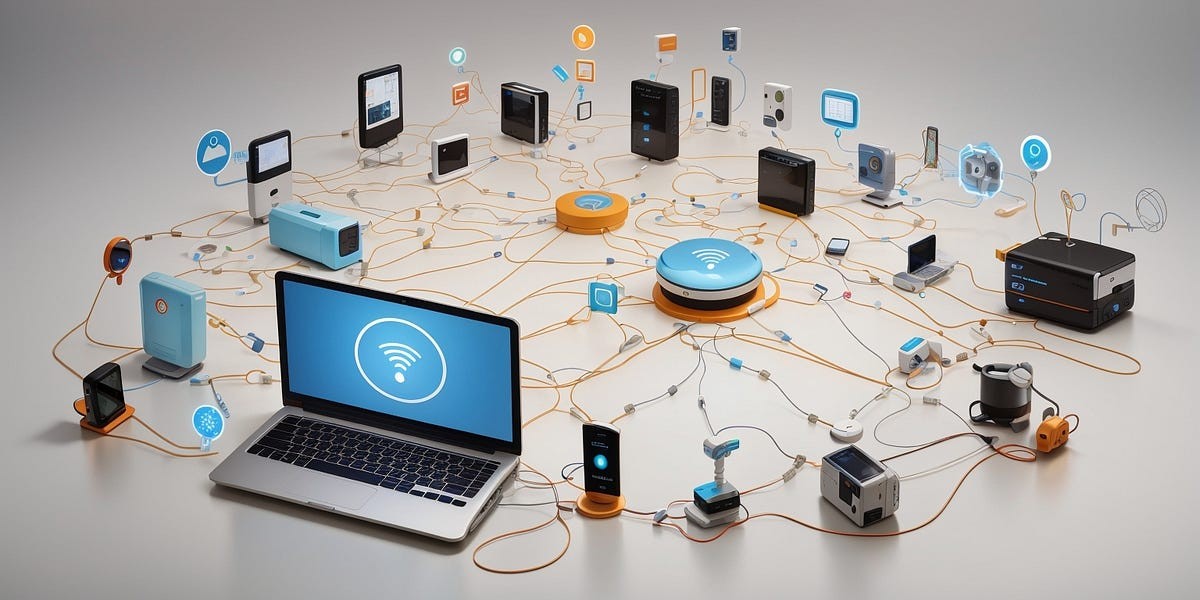
The Internet of Things (IoT) connects everyday objects to the internet. Devices like smart TVs, home assistants, security cameras, and fitness trackers can now collect and share data.
IoT has made homes smarter, industries more efficient, and cities more connected. Smart homes can adjust lighting, temperature, and security automatically, improving convenience and energy efficiency.
In healthcare, IoT devices help doctors monitor patients remotely, saving time and resources.
5. Green Technology and Sustainability
With the rise of climate change, green technology has become a global focus. It includes innovations that reduce pollution, save energy, and protect natural resources.
Examples include solar panels, electric vehicles, biodegradable materials, and energy-efficient buildings. Governments and companies around the world are investing in sustainable technologies to create a cleaner, greener future.
Green tech is not only good for the environment but also for the economy, as it creates jobs and drives new industries.
6. Virtual Reality (VR) and Augmented Reality (AR)
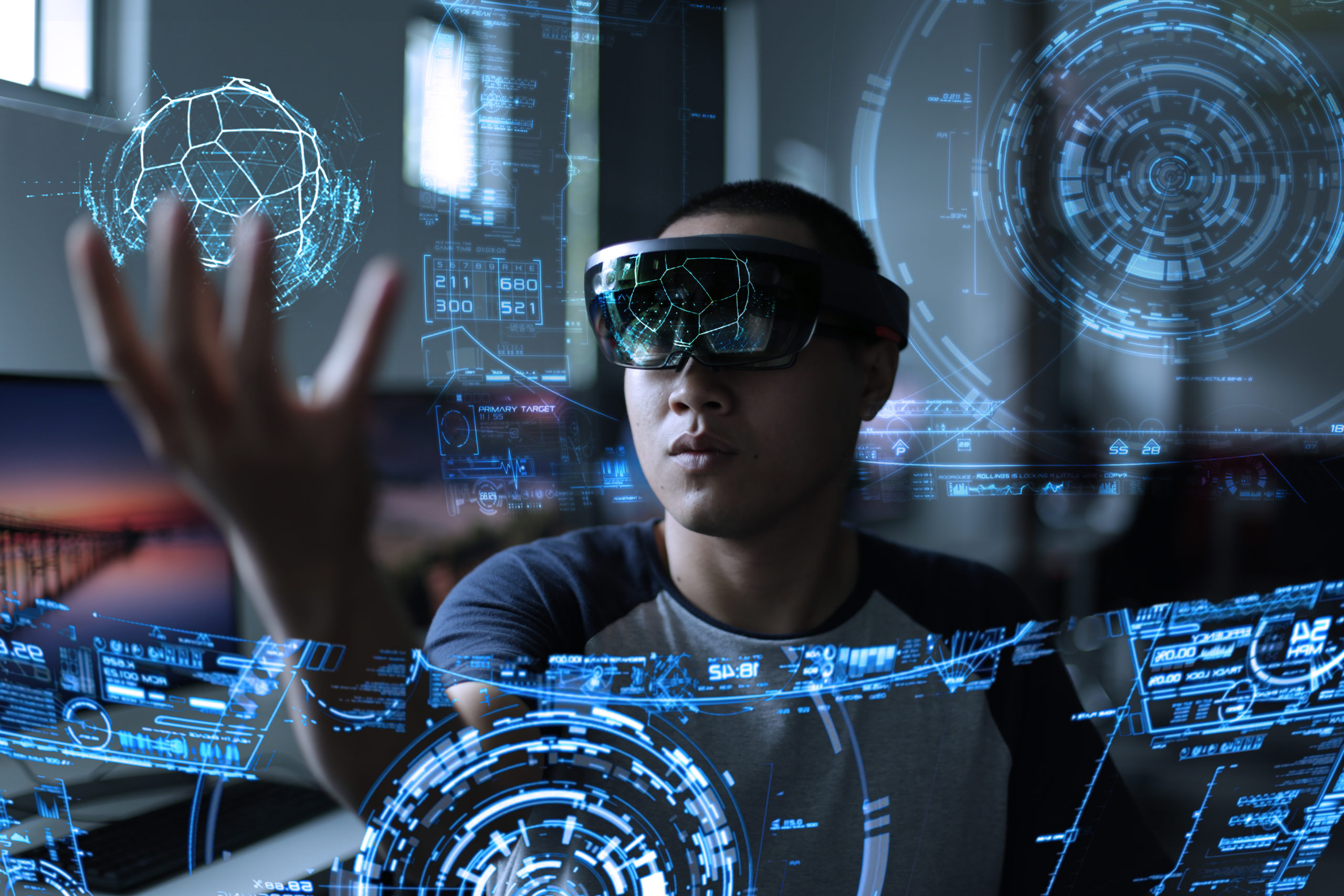
VR and AR technologies are redefining how people experience digital content. Virtual reality creates an entirely digital world using headsets, while augmented reality adds digital elements to the real world.
These technologies are used in gaming, education, healthcare, and even real estate. For example, medical students use VR simulations to practice surgeries, while shoppers use AR apps to try products virtually.
As hardware becomes more affordable, VR and AR will become part of everyday life in the coming years.
7. Robotics and Automation
Robotics is another area of technology that continues to grow rapidly. Robots are now used in manufacturing, healthcare, agriculture, and even space exploration.
Automation makes work faster, safer, and more precise. In factories, robots perform repetitive tasks, allowing humans to focus on creative and complex work.
With the combination of AI and robotics, industries are entering a new age of efficiency and innovation.
Technology in Business and Education
Technology plays a major role in how businesses and educational institutions operate today.
Business Transformation
Companies use technology to improve productivity, customer experience, and profitability. Tools like cloud computing, AI analytics, and digital marketing help organizations reach global audiences and make smarter decisions.
E-commerce platforms have made it possible for small businesses to sell products worldwide, while digital payment systems ensure safe and fast transactions.
In short, technology has turned businesses into digital ecosystems.
Education and E-Learning
Technology has also changed the way people learn. Online learning platforms, video lectures, and interactive tools make education accessible to anyone with an internet connection.
Students can now attend virtual classes, use smartboards, and access global resources instantly. This flexibility allows people to learn new skills at their own pace, no matter where they are.
Technology in Healthcare
Healthcare has seen some of the most impressive technological advancements in recent years. Artificial intelligence helps doctors diagnose diseases earlier and with greater accuracy.
Wearable devices track heart rates, steps, and sleep patterns, helping individuals monitor their health daily. Robotic surgery allows doctors to perform operations with precision and minimal risk.
Telemedicine enables patients to consult doctors online, reducing travel time and cost. These innovations are saving lives and making healthcare more affordable and efficient.
The Future of Technology
The future of technology looks bright and full of possibilities. Emerging fields like quantum computing, biotechnology, nanotechnology, and autonomous vehicles are expected to revolutionize industries.
Quantum computers will process information at unimaginable speeds, solving problems that current systems cannot handle. Biotechnology will improve medicine and agriculture, while nanotechnology will create smarter materials and devices.
Technology will also continue to play a critical role in solving global challenges such as energy shortage, poverty, and climate change.
The Impact of Technology on Society
While technology offers countless benefits, it also brings challenges. The digital divide, data privacy issues, and over-dependence on gadgets are growing concerns.
Automation may reduce some traditional jobs, but it also creates new opportunities in tech-related fields. The key is to balance innovation with ethical responsibility.
As technology evolves, education and digital literacy will become even more important. People must learn how to use technology wisely and securely.
Conclusion: Technology as the Heart of Progress
Technology is more than just a collection of machines or software — it is a force that shapes the future of humanity. From communication and education to healthcare and business, every aspect of our lives is influenced by technological innovation.
As we move into the future, embracing technology responsibly will help us build a smarter, greener, and more inclusive world. The possibilities are endless, and the next big innovation is always just around the corner.
In the end, technology is not just about progress — it is about empowering people, improving lives, and connecting the world in ways we could never imagine before.



Leave a Reply