

Introduction
Imagine being able to explore a new world, play games inside your favorite universe, or walk through a building that hasn’t even been built yet — all without leaving your room. That’s the power of Virtual Reality (VR).
At the heart of this technology is the virtual reality headset — a device that allows users to enter and interact with a fully digital 3D world. Once limited to science fiction, VR is now used in gaming, education, healthcare, real estate, and even training simulations.
This article will explain in simple terms what virtual reality headsets are, how they work, their main types and features, real-world uses, advantages, challenges, and what the future of VR looks like.
What Is a Virtual Reality Headset?
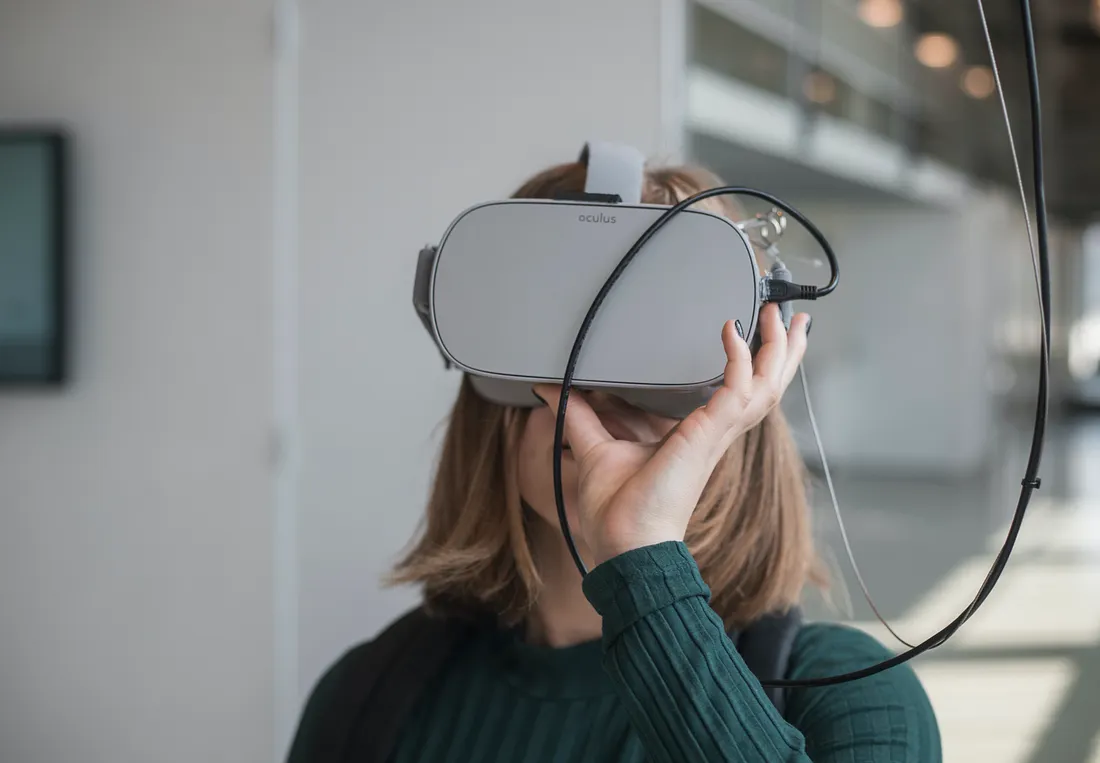
A Virtual Reality (VR) headset is a wearable device that covers your eyes and sometimes your ears to immerse you in a computer-generated 3D environment.
When you wear a VR headset, you see digital scenes all around you — as if you’ve stepped into another world. By turning your head or moving your hands, you can look around and interact with objects inside that virtual space.
Simply put, a VR headset makes you feel like you’re inside the digital world instead of just looking at it on a screen.
How Does a VR Headset Work?
Virtual reality headsets combine displays, motion sensors, and software to create an immersive experience. Here’s how it works step by step:
- Display Screens:
Inside the headset are two small screens (one for each eye) that show slightly different images. This creates a 3D effect, similar to how your eyes see depth in real life. - Lenses:
Special lenses focus and reshape the images from the screens so that they appear distant and realistic. - Motion Tracking Sensors:
These sensors detect your head and body movements — allowing the virtual environment to move naturally with you. - Controllers or Hand Tracking:
Many headsets come with controllers or sensors that let you interact with objects in VR, such as grabbing, pointing, or shooting. - Audio System:
Built-in 3D sound helps you hear from all directions, making the experience more immersive. - Connectivity and Power:
Some VR headsets connect to a PC or gaming console, while others are completely wireless and work on their own.
Types of Virtual Reality Headsets
There are several types of VR headsets, each designed for different experiences and users.
1. PC-Based VR Headsets
These are high-performance headsets that connect to a powerful computer to deliver top-quality graphics.
Examples:
- Meta Quest Link (connected mode)
- HTC Vive Pro 2
- Valve Index
- HP Reverb G2
Pros: Excellent graphics, immersive experience
Cons: Expensive, requires a strong PC
2. Standalone (All-in-One) VR Headsets
These work without a PC or phone. Everything — from the processor to the display — is built inside the headset.
Examples:
- Meta Quest 3
- Pico 4
- HTC Vive Focus 3
Pros: Wireless freedom, easy to use
Cons: Limited graphics compared to PC-based models
3. Console VR Headsets
Designed to work with gaming consoles like PlayStation.
Examples:
- PlayStation VR2
Pros: Great for console gamers
Cons: Requires a PlayStation console
4. Smartphone VR Headsets
Simple headsets where you place your smartphone inside to view VR apps and videos.
Examples:
- Samsung Gear VR
- Google Cardboard
Pros: Affordable, portable
Cons: Limited interactivity and performance
Key Features of a VR Headset
Here are the main features that make VR headsets so immersive:
| Feature | Description |
|---|---|
| High-Resolution Displays | Sharp visuals prevent motion sickness and make the experience realistic. |
| Wide Field of View | Lets you see more of the virtual world around you. |
| Motion Tracking | Tracks your head and hand movements to make interactions natural. |
| 3D Spatial Audio | Sounds come from the correct direction, enhancing realism. |
| Comfortable Design | Lightweight materials and adjustable straps for long sessions. |
| Wireless Options | Freedom to move without cables. |
| Hand and Eye Tracking | Detects where you’re looking or pointing for intuitive control. |
Popular Virtual Reality Headsets in 2025
Here are some of the top VR headsets currently making waves:
| Model | Developer | Main Highlights |
|---|---|---|
| Meta Quest 3 | Meta (Facebook) | Standalone, mixed reality support, excellent value |
| PlayStation VR2 | Sony | 4K HDR display, haptic feedback, for PS5 |
| Apple Vision Pro | Apple | Mixed reality (AR + VR), high-end visuals, eye tracking |
| HTC Vive XR Elite | HTC | Portable, wireless, versatile for gaming & business |
| Valve Index | Valve | Top-tier visuals, wide field of view, premium build |
| Pico 4 | ByteDance | Affordable standalone headset with good specs |
Applications of Virtual Reality Headsets
VR is no longer just about gaming. It’s being used across industries to transform how we work, learn, and play.
1. Gaming and Entertainment
VR gaming offers full immersion — players can move, explore, and interact inside the game world.
Movies and concerts in VR provide 360° experiences that feel real.
2. Education and Training
Students can explore historical sites, human anatomy, or science labs in virtual environments.
Companies use VR for employee training — for example, pilots or factory workers can practice safely in virtual simulations.
3. Healthcare
Doctors use VR for:
- Surgical training
- Pain management therapy
- Treating anxiety, PTSD, or phobias
4. Real Estate and Architecture
VR headsets allow clients to walk through 3D models of homes or buildings before construction even begins.
5. Tourism
Virtual travel experiences let users explore destinations, museums, and landmarks without leaving home.
6. Military and Defense
VR is used for realistic combat simulations and situational training.
7. Business and Remote Work
Companies hold virtual meetings and design reviews in 3D spaces using VR collaboration tools.
Benefits of Using a Virtual Reality Headset
1. Immersive Experience
You feel completely part of the digital world, not just an observer.
2. Hands-On Learning
VR enhances understanding through interactive simulations.
3. Safe Training Environment
Practice high-risk tasks (like surgery or firefighting) safely in a virtual space.
4. Entertainment Revolution
VR brings movies, concerts, and gaming to life in new ways.
5. Enhanced Creativity
Designers, artists, and architects can visualize and create in 3D environments.
6. Accessibility
VR can help people with disabilities experience places or events virtually.
Challenges of Virtual Reality Headsets
While VR is exciting, it still faces several challenges:
1. High Cost
High-end VR headsets and powerful computers can be expensive.
2. Motion Sickness
Some users feel dizzy or nauseous if frame rates are too low.
3. Limited Content
Although growing, not all industries have enough VR-ready content yet.
4. Bulky Design
Some headsets are heavy, making long-term use uncomfortable.
5. Space Requirements
You need enough room to move safely during VR experiences.
6. Health Concerns
Prolonged use can cause eye strain or fatigue if not used responsibly.
The Future of Virtual Reality Headsets
The VR industry is growing fast — and the future looks even more impressive.
1. Mixed Reality (MR)
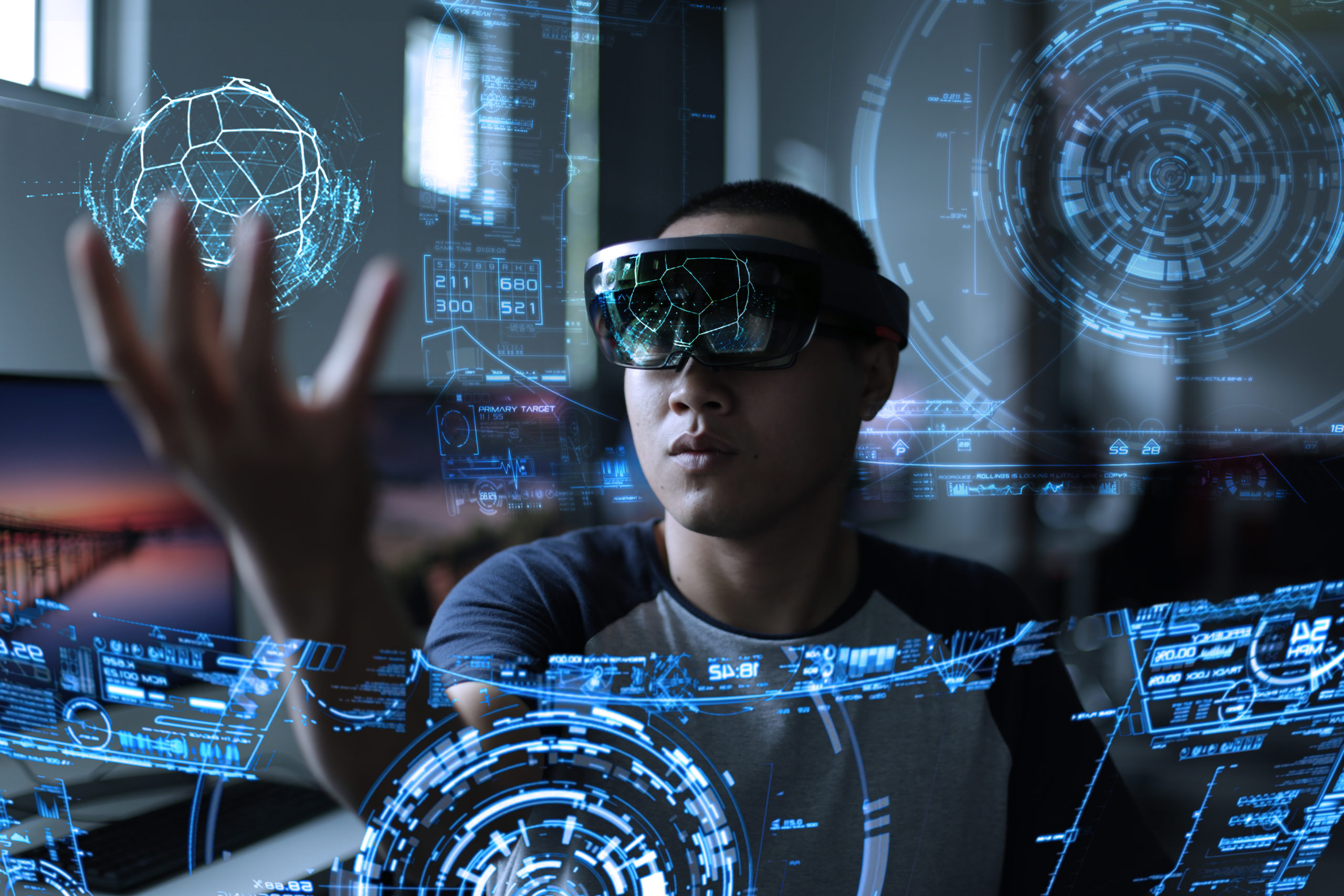
Next-generation headsets, like Apple Vision Pro and Meta Quest 3, blend real and virtual worlds for mixed reality experiences.
2. Lighter, Sleeker Designs
Future headsets will look more like normal glasses — portable and comfortable.
3. 8K Resolution and Beyond
Sharper visuals and wider fields of view for complete immersion.
4. Better Haptics
Gloves and suits that simulate touch and temperature for realistic sensations.
5. AI Integration
Artificial intelligence will personalize experiences and improve interactivity.
6. More Affordable Devices
As technology advances, VR will become cheaper and accessible to everyone.
Tips for Choosing the Right VR Headset
If you’re planning to buy a VR headset, consider these factors:
- Purpose: Gaming, work, education, or entertainment?
- Platform Compatibility: Does it work with your PC, console, or phone?
- Display Quality: Look for high resolution (minimum 1832×1920 per eye).
- Comfort: Lightweight and adjustable designs are best.
- Price: Entry-level options start at around $200; high-end models can exceed $1000.
- Content Availability: Check what games, apps, or features are supported.
Conclusion
Virtual reality headsets are more than just cool gadgets — they are gateways to entirely new worlds of experience, learning, and creativity.
From gaming and healthcare to education and design, VR is revolutionizing how people interact with digital environments. While there are still challenges like cost and comfort, advancements in AI, mixed reality, and wireless technology promise a bright future.
As VR headsets become lighter, cheaper, and more powerful, it’s only a matter of time before virtual reality becomes part of everyday life — for work, play, and beyond.




Leave a Reply